UK planning authorities, BREEAM assessors, and corporate net zero commitments have turned facade sustainability from a design aspiration into a specification line that has to be defended. The question on every specifier’s desk is no longer whether to pursue a sustainable facade — it is which rainscreen system genuinely delivers measurable environmental performance, and which ones rely on marketing language that will not survive a whole-life carbon assessment.
This guide covers the full picture: what sustainable rainscreen cladding actually means, the five mechanisms by which ventilated facade systems reduce environmental impact, which materials perform best against sustainability criteria, how these systems align with UK net zero policy and green building certifications, and which standards separate credible claims from greenwashing. It is written for architects, specifiers, and procurement leads working on commercial, institutional, and high-end residential projects in London, Dubai, and the wider UK and GCC markets.
Table of Contents
What Is Sustainable Rainscreen Cladding?
A rainscreen cladding system is a ventilated facade — an outer panel layer separated from the building’s insulation and structural substrate by a continuous ventilated cavity. That cavity is the defining feature. It manages moisture, dissipates heat, and allows each layer of the facade to perform the function it is engineered for, rather than asking a single monolithic wall to do everything at once.
Sustainable, in this context, is not a marketing adjective. It refers to systems that measurably reduce environmental impact across four specific dimensions: embodied carbon in the panel and supporting structure, operational carbon over the life of the building, material lifecycle and durability, and end-of-life recoverability. A system that performs well against all four is genuinely sustainable. A system that performs well against one and makes vague claims about the rest is not.
The distinction matters because every sustainability claim on a facade specification has to be defensible — to the client, to the BREEAM assessor, to the planning authority, and increasingly to investors reviewing ESG reporting. For a full technical definition of how rainscreen cladding systems work mechanically and why the ventilated cavity is central to their performance, see our main rainscreen specification guide.
The Five Sustainability Levers in a Rainscreen Facade
A sustainable rainscreen system is sustainable because of what it does, not what it is called. Five specific mechanisms deliver the environmental gains that show up in certification scoring and whole-life carbon assessments.
Thermal Performance and Operational Carbon
The ventilated cavity is a passive thermal regulator. In summer, air movement through the cavity flushes solar gain away from the insulation layer before it reaches the interior — critical in Dubai, where cooling loads dominate operational energy budgets. In winter, the cavity manages interstitial moisture and protects the insulation layer from saturation, preserving the U-value the system was designed to deliver. The result is a facade that reduces HVAC dependency year-round, lowering operational carbon without relying on mechanical systems.
Embodied Carbon and Lightweight Design
Lightweight panels reduce embodied carbon in three compounding ways: less material per square metre of facade, a lighter supporting structure because the facade imposes less dead load, and lower transport emissions because more square metres of panel fit on each delivery. DynaPanel Stone is up to 50% lighter than traditional stone cladding with identical aesthetics and an A2 s1 d0 Non-Combustible fire rating to EN 13501-1. That weight reduction cascades through the structural design, reducing steel and concrete requirements in the supporting frame.
Material Lifecycle and Durability
The most sustainable facade is the one that does not need replacing. Ventilated rainscreen systems resist moisture ingress, thermal stress, UV degradation, and weathering because no single component is asked to perform outside its engineered tolerance. Panels are mechanically fixed, not adhered, so thermal movement is accommodated rather than fought. The systems are designed for long service lives on commercial and institutional buildings with minimal maintenance cycles — reducing lifecycle replacement and the embodied carbon associated with it.
Recyclability and End-of-Life Recovery
Because panels are mechanically fixed rather than bonded, they can be demounted at end of life and recovered for reuse or material recycling. Stone, glass, and vitreous enamel are all materially recoverable — they return to the resource stream rather than landfill. This is a structural advantage over bonded composite systems, where the panel and its backing cannot be separated cleanly and end-of-life recovery options narrow to downcycling or disposal. For a full material-by-material breakdown of recoverability and lifecycle profile, see our guide to sustainable cladding materials.
Installation Efficiency and Site Impact
Prefabricated rainscreen panels arrive at site engineered to dimension, reducing wet trades, off-cut waste, skip volumes, and programme length. Every one of those reductions is a measurable sustainability gain captured in BREEAM Man (Management) and Wst (Waste) credit categories. Shorter programmes also compress site energy consumption, site transport movements, and the carbon cost of extended logistics. For procurement leads, the same levers that deliver sustainability credits also deliver accelerated return on investment.
Sustainable Materials for Rainscreen Cladding
The panel material is where sustainability specifications get real. Each material family carries a distinct environmental profile — embodied carbon, recoverability, durability, and thermal behaviour all vary — and the right choice depends on the project’s performance targets and architectural intent.
Natural Stone
Real stone, specified as a lightweight rainscreen panel rather than a monolithic wall, retains the material authenticity and longevity of traditional stone while cutting embodied carbon dramatically through weight reduction. DynaPanel Stone is the category leader here.

Glass
Rainscreen glass panels deliver high recyclability, long service life, and strong aesthetic versatility through digital printing and back-painting. DynaPanel Glass carries A1 Non-Combustible certification and supports bespoke design expression without sustainability compromise.

Vitreous Enamel
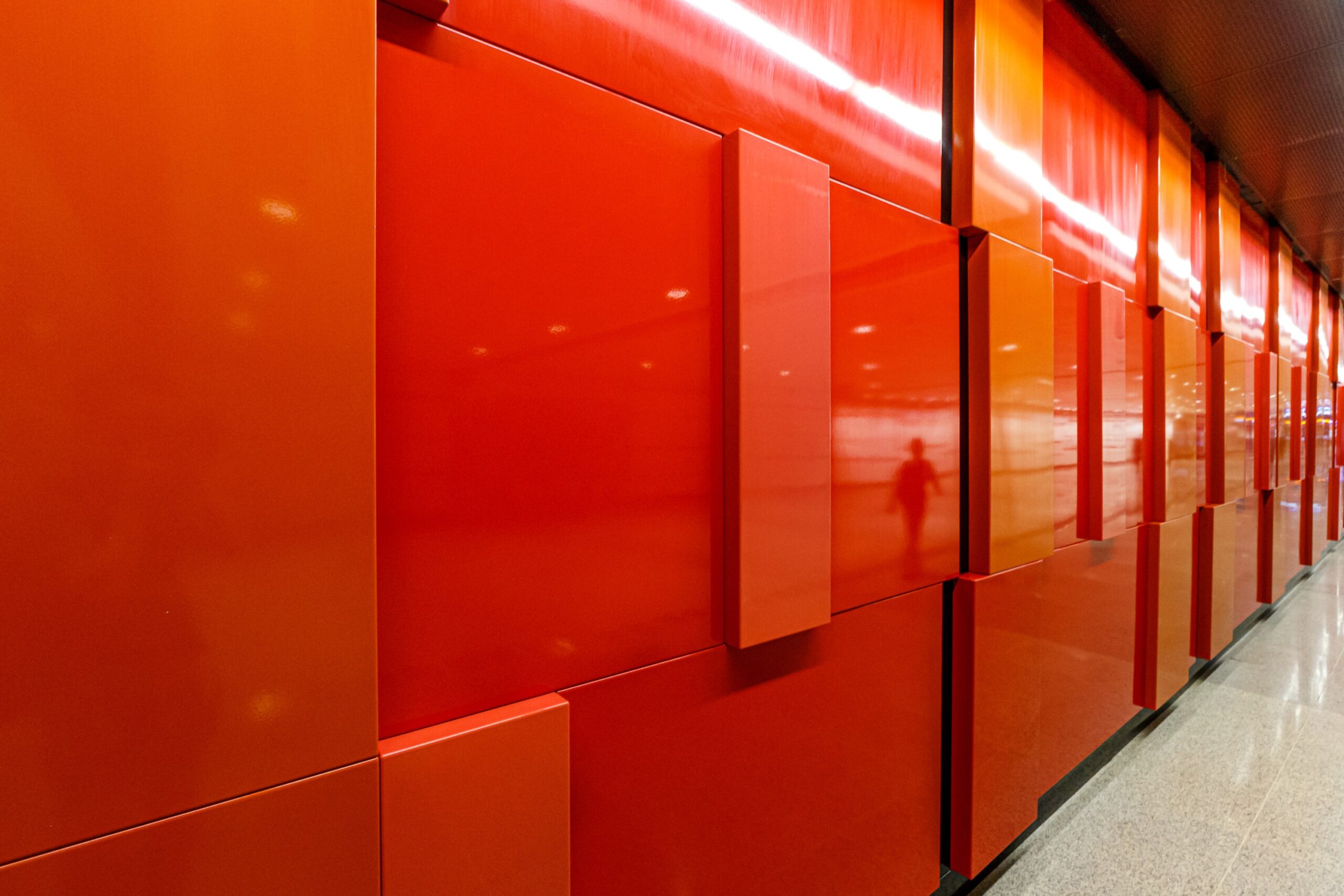
Steel substrate fused with vitreous enamel produces a panel that is A1 Non-Combustible, exceptionally durable, colour-stable over decades, and fully recyclable at end of life. DynaPanel Vitreous Enamel is specified where longevity and colour permanence are non-negotiable.
Metal and Terracotta
Metal and terracotta round out the sustainable rainscreen material family and are worth considering on projects with specific aesthetic or performance requirements.
For a detailed material-by-material sustainability comparison covering embodied carbon, recoverability, and certification profiles, our sustainable cladding materials guide goes deep on each option.
Sustainable Rainscreen Cladding and UK Net Zero
The UK construction sector is being pulled toward net zero by three converging pressures, and facade specifications sit at the intersection of all of them. Regulatory pressure comes through successive updates to Part L of the Building Regulations and the forthcoming Future Buildings Standard, which tightens operational energy requirements on new commercial construction. Client pressure comes through corporate net zero commitments — occupiers increasingly require landlords to demonstrate carbon performance before signing leases, and investors require the same before committing capital. Planning pressure comes through local authority carbon requirements, which now attach carbon assessments to planning consent in most major UK authorities.
Sustainable rainscreen cladding contributes to compliance across both sides of the carbon equation. On embodied carbon, lightweight panel systems reduce the material mass of the facade and its supporting structure, directly improving the RICS Whole Life Carbon Assessment that planning authorities increasingly require. On operational carbon, the ventilated cavity improves envelope thermal performance, reducing the building’s in-use energy demand over its full service life. The combined effect is a facade specification that defends itself against both the embodied carbon line and the operational energy line of a net zero audit.
For a full policy walkthrough covering the regulatory timeline, RICS methodology, and specifier implications, see our dedicated analysis of UK net zero and the facade sector.
Green Building Certifications and Rainscreen Specification
Sustainable rainscreen systems earn credits across every major green building certification scheme UK and GCC specifiers work with.
BREEAM
BREEAM is the dominant UK scheme. Rainscreen systems contribute to Mat (Materials) credits through responsible sourcing and Environmental Product Declarations, Ene (Energy) credits through improved envelope performance, Wst (Waste) credits through prefabrication and reduced site waste, and Man (Management) credits through shortened programmes and reduced construction impact.
LEED
LEED, dominant in GCC and international projects, rewards the same underlying performance through its MR (Materials and Resources) and EA (Energy and Atmosphere) credit categories. LEED’s increasing emphasis on EPDs and whole-life carbon aligns directly with the verification data that credible rainscreen suppliers provide.
WELL
WELL focuses on occupant health, and ventilated facade systems contribute through improved interior thermal comfort and moisture management — both of which affect indoor air quality and thermal satisfaction scoring.
Passivhaus
Passivhaus is the most demanding thermal standard, and rainscreen systems can be specified to meet it where the supporting insulation and detailing are designed coherently with the panel system.
The common factor across all four schemes is documentation. Certification credits require evidence — EPDs, certifications, test reports — not marketing literature. For a complete walkthrough of which credits each scheme awards and what documentation to request from suppliers, see our guide to green building certifications for facades.
Certifications That Underpin Genuine Sustainability Claims
Sustainability claims without certification are greenwashing. Specifiers protecting themselves against greenwashing — and protecting the projects they are responsible for — need to know which standards to look for on every supplier’s technical submission.
EN 13501-1
EN 13501-1 classifies reaction-to-fire performance. Sustainability and fire safety are not separable disciplines: a facade that fails on fire safety fails on sustainability by virtue of the embodied carbon locked into rebuild and remediation. A1 and A2 Non-Combustible ratings are the baseline for credible specification on any building where sustainability is a genuine objective.
EN 15804
EN 15804 is the European standard for Environmental Product Declarations. An EPD certified to EN 15804 is the only credible basis for an embodied carbon claim. If a supplier cannot produce one, the embodied carbon claim is unverified.
EOTA and ETA
EOTA (European Organisation for Technical Assessment) and ETA (European Technical Assessment) cover system-level assessment of rainscreen cladding. An ETA confirms the complete system — panel, bracket, insulation interface — has been assessed for structural, weather, and fire performance as an integrated assembly.
CWCT
CWCT (Centre for Window and Cladding Technology) provides UK-specific facade performance standards. CWCT compliance is the baseline expectation on UK commercial projects.
BES 6001
BES 6001 certifies responsible sourcing of construction products — the supply chain audit that underpins BREEAM responsible sourcing credits.
For the full set of Dynamic Cladding certifications, technical datasheets and certifications are available for every product in the range.
Sustainable Rainscreen Cladding vs Traditional Facade Systems
Specifiers evaluating sustainable rainscreen systems are typically comparing them against three alternatives: wet-trade masonry construction, bonded composite panel systems, and curtain walling. An honest comparison matters here, because rainscreen is not the right answer on every project — but on mid-to-high-rise commercial, institutional, and public infrastructure projects, it leads on most sustainability metrics.
Versus Wet-Trade Masonry
Traditional masonry construction carries high embodied carbon through material mass and supporting structure, generates significant site waste, depends on weather-dependent wet trades that extend programmes, and offers limited end-of-life recovery. Rainscreen outperforms on embodied carbon, installation impact, programme length, and recoverability.
Versus Bonded Composite Panels
Bonded composite systems can deliver competitive operational performance, but end-of-life recovery is structurally compromised — panel and backing cannot be cleanly separated, which narrows recoverability to downcycling. Rainscreen’s mechanical fixing preserves the recovery option.
Versus Curtain Walling
Curtain walling offers unmatched glazing proportions but typically carries higher operational energy loads due to the thermal performance ceiling of large glazed areas. Rainscreen systems provide a superior opaque facade option and are frequently specified in combination with curtain walling, with rainscreen delivering the thermally efficient opaque zones.
The specification decision is project-specific. For high-performance opaque facade zones on sustainability-driven projects, rainscreen systems lead the comparison on embodied carbon, lifecycle, recoverability, and installation impact.
Specifying Sustainable Rainscreen Cladding: What to Ask Your Supplier
The questions that separate credible suppliers from marketing claims are specific, documented, and answerable with evidence. A specifier interrogating a sustainability claim should expect to receive paperwork for every answer.
- What is the product’s Environmental Product Declaration, and is it certified to EN 15804?
- What is the embodied carbon per square metre of installed facade, compared with traditional alternatives?
- What is the reaction-to-fire classification to EN 13501-1, and at what rating?
- Is the complete system EOTA assessed with a current ETA, and is it CWCT compliant?
- What proportion of the panel and its fixing system is recoverable at end of life?
- What is the expected service life, what is the maintenance regime, and what is the replacement cycle for any consumable components?
- What BREEAM, LEED, or WELL credits does the system contribute to, and what documentation does the supplier provide to the assessor?
- Does the supplier provide BES 6001 responsible sourcing certification?
A supplier that cannot answer every one of these questions with evidence is not a credible partner for a sustainability-driven specification.
Dynamic Cladding can answer every one of these questions with certification evidence. Book a specification consultation to review your project’s sustainability requirements with our technical team.
Applications — Where Sustainable Rainscreen Cladding Delivers Most
Sustainable rainscreen systems are specified most frequently on four building typologies, and the common factor is sustainability as a procurement-weighted or planning-weighted criterion rather than a design preference.
Commercial Office
Commercial office projects pursuing BREEAM Excellent or Outstanding targets rely on rainscreen systems to deliver both the envelope performance and the material credentials that those ratings demand. London’s commercial market, in particular, has moved decisively toward sustainability-rated buildings as a lettability requirement.
Public Sector
Public sector procurement — schools, hospitals, civic buildings — now routinely attaches sustainability weighting to tender scoring. Rainscreen specifications that come with a full certification portfolio score accordingly.
High-End Residential
High-end residential developments increasingly face planning conditions that require carbon assessments, particularly in London boroughs with declared climate emergencies. Sustainable rainscreen cladding supports planning approval while meeting the aesthetic standards the market demands.
Transport Infrastructure
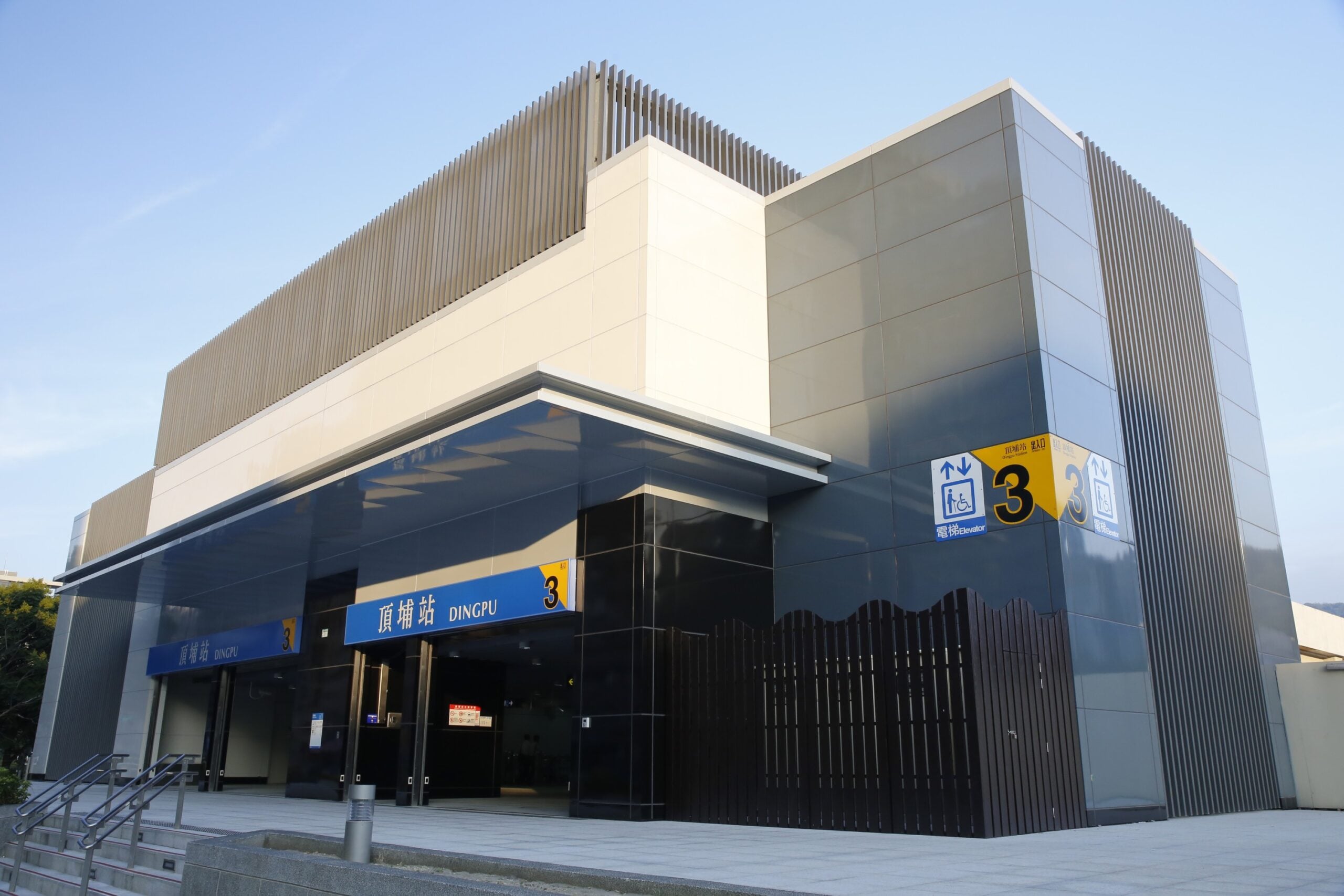
Transport infrastructure — airports, rail stations, and public interchanges — combines sustainability mandates with demanding fire and blast resistance requirements. Dynamic Cladding’s certified systems serve both the UK and Dubai markets across this typology.
Frequently Asked Questions
Is rainscreen cladding more sustainable than cavity wall construction?
On embodied carbon, lifecycle, recoverability, and installation impact, rainscreen systems typically outperform traditional cavity wall construction, particularly on mid-to-high-rise commercial projects where structural efficiency compounds the advantage.
Can sustainable rainscreen cladding meet Passivhaus requirements?
Yes, where the insulation layer, cavity detailing, and thermal bridging are designed coherently with the panel system. The rainscreen itself does not compromise Passivhaus performance; integration detailing is the determining factor.
What is the lifespan of a rainscreen cladding system?
Service life varies by material. Stone, vitreous enamel, and glass rainscreen panels are specified for service lives of several decades with minimal maintenance on commercial and institutional buildings.
Does sustainable cladding cost more than traditional options?
Capital cost comparisons depend on project specifics, but whole-life cost — including programme acceleration, reduced maintenance, and lifecycle replacement avoidance — frequently favours sustainable rainscreen systems. Procurement leads modelling total cost of ownership typically find the case closes quickly.
Can rainscreen panels be recycled at end of life?
Mechanically fixed panels can be demounted and recovered. Stone, glass, and vitreous enamel are all materially recoverable — a structural advantage over bonded composite systems.
Specifying with Confidence
Sustainable rainscreen cladding is not a single product or a marketing category — it is a certified, measurable, specifier-defensible approach to facade design that stands up to BREEAM audits, planning scrutiny, investor ESG reviews, and whole-life carbon assessments. The decision points are clear: the right material for the project, a complete certification portfolio that backs every sustainability claim, and a supplier with the technical depth to support specification from concept through installation.
Whether your project targets BREEAM Outstanding, LEED Platinum, a Passivhaus envelope, or a bespoke net zero specification, Dynamic Cladding’s certified systems are engineered to meet it — across the London, UK, and Dubai markets. Book a specification consultation to review your project requirements with our technical team, or request technical data to begin your evaluation.