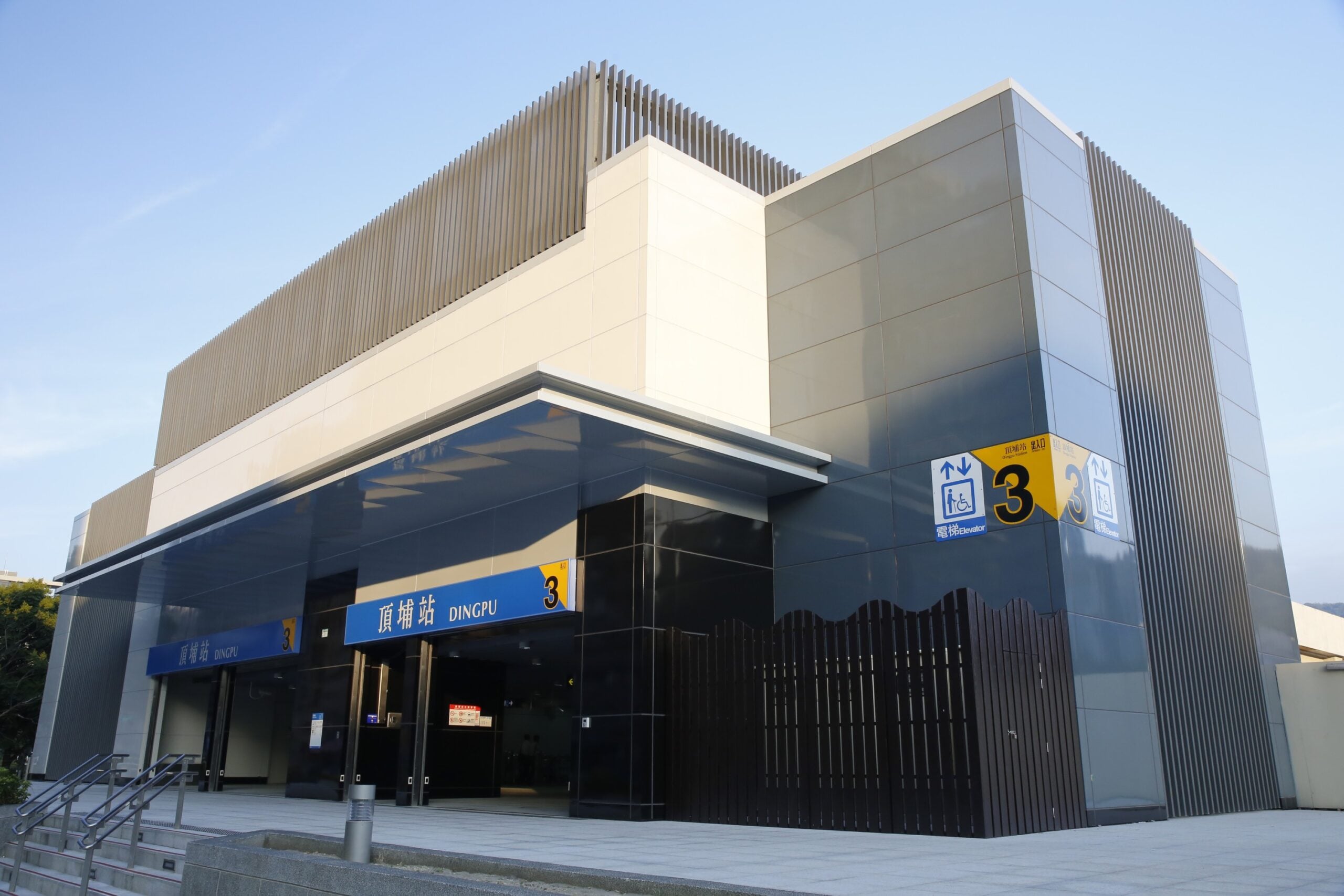
The rules for commercial facade specification have changed. Post-Grenfell, post-Building Safety Act, and with Martyn’s Law now reshaping how publicly accessible commercial buildings are designed, commercial rainscreen cladding is no longer purely an aesthetic decision — it is a compliance, lifecycle-cost, and occupier-safety decision that will be scrutinised by building control, insurers, and tenants for the life of the building.
This guide is written for the architects, specifiers, developers, and procurement leads evaluating rainscreen cladding systems for commercial projects across London, the wider UK, and the GCC. It sets out the core benefits of specifying commercial rainscreen cladding, the compliance thresholds that separate commercial-grade systems from residential, the material options available, and where these systems are being specified today.
Table of Contents
What Makes a Rainscreen System “Commercial-Grade”
Not all rainscreen systems are specified equally. A system suitable for a three-storey residential block is not automatically suitable for a twelve-storey commercial office, a Category A retail fit-out, or a transport interchange. Commercial applications demand a higher evidentiary bar, and specifiers are expected to defend every material choice against building control, insurer, and tenant scrutiny.
Four performance thresholds separate commercial-grade rainscreen systems from the rest:
- Certified fire performance at both panel and full-system level, documented to EN 13501-1 and BS 8414.
- Structural and wind load performance verified for the building’s height, exposure category, and geometry.
- Lifecycle durability aligned with commercial building lifespans of 25 years or more, not residential refurbishment cycles.
- Installation programme suitability — prefabricated delivery, buildable detailing, and technical support that protects the critical path.
A system that cannot document all four should not be on a commercial specification.
The Benefits of Commercial Rainscreen Cladding
Specifying high-performance rainscreen cladding delivers a compounding value proposition across the entire building lifecycle—from the precision of the initial tender response and the accelerated construction programme to the functional efficiency of decades of occupancy. For commercial decision-makers, the strategic advantage lies in five critical areas: de-risking the bid process through technical clarity, streamlining site schedules via rapid installation, reducing long-term OPEX through superior thermal performance, protecting the asset’s structural integrity against moisture, and ensuring future-proof ESG compliance. Ultimately, these systems transform the building envelope from a mere aesthetic choice into a high-yield asset that mitigates risk and maximizes long-term ROI.
Thermal performance and energy efficiency
The ventilated cavity at the heart of a rainscreen system reduces heating and cooling demand across the building’s operational life. Over a 25-year commercial lifecycle, this contributes materially to BREEAM, LEED, and tenant ESG targets — the sustainability credentials commercial occupiers now treat as non-negotiable.
Programme certainty through prefabrication
DynaPanel systems are prefabricated off-site and delivered ready for installation. This reduces on-site labour, shortens the facade trade’s critical path, and accelerates practical completion — which, on a commercial development, translates directly into earlier occupancy and earlier revenue.
Lifecycle durability and low maintenance
Ventilated facade systems manage moisture, resist weathering, and clean down easily across 25-year-plus lifespans. Total cost of ownership drops meaningfully compared with sealed facade alternatives that require more frequent intervention.
Design flexibility and aesthetic range
Full Stone Ranges, RAL, Pantone and metallic palettes, digital photorealistic printing, CNC-engineered precision, and bespoke finishes in Glass, Stone or Vitreous Enamel Panels support the brand-led architecture commercial clients now expect — without compromising fire or structural performance.
Fire Safety and Compliance for Commercial Facades
Fire and blast compliance is the single most scrutinised dimension of commercial facade specification in the UK today. Specifiers are expected to produce system-level evidence, not panel-level marketing — and the gap between the two is where weaker suppliers fail.
Approved Document B and the Building Safety Act
Under Approved Document B, external wall materials on relevant commercial buildings over 11 metres must achieve Class A1 or A2-s1,d0 to EN 13501-1. The Building Safety Act has tightened accountability further: the specifier, designer, and client are each responsible for documented compliance across the full system, not just the visible panel. For commercial rainscreen cladding, that means A1 or A2 s1, d0 fire rated cladding evidence at the panel, bracket, insulation, and cavity barrier level to EN13501-1 or full BS 8414 large-scale system testing as the definitive benchmarks.
Bomb Blast Resistance for high-security commercial environments
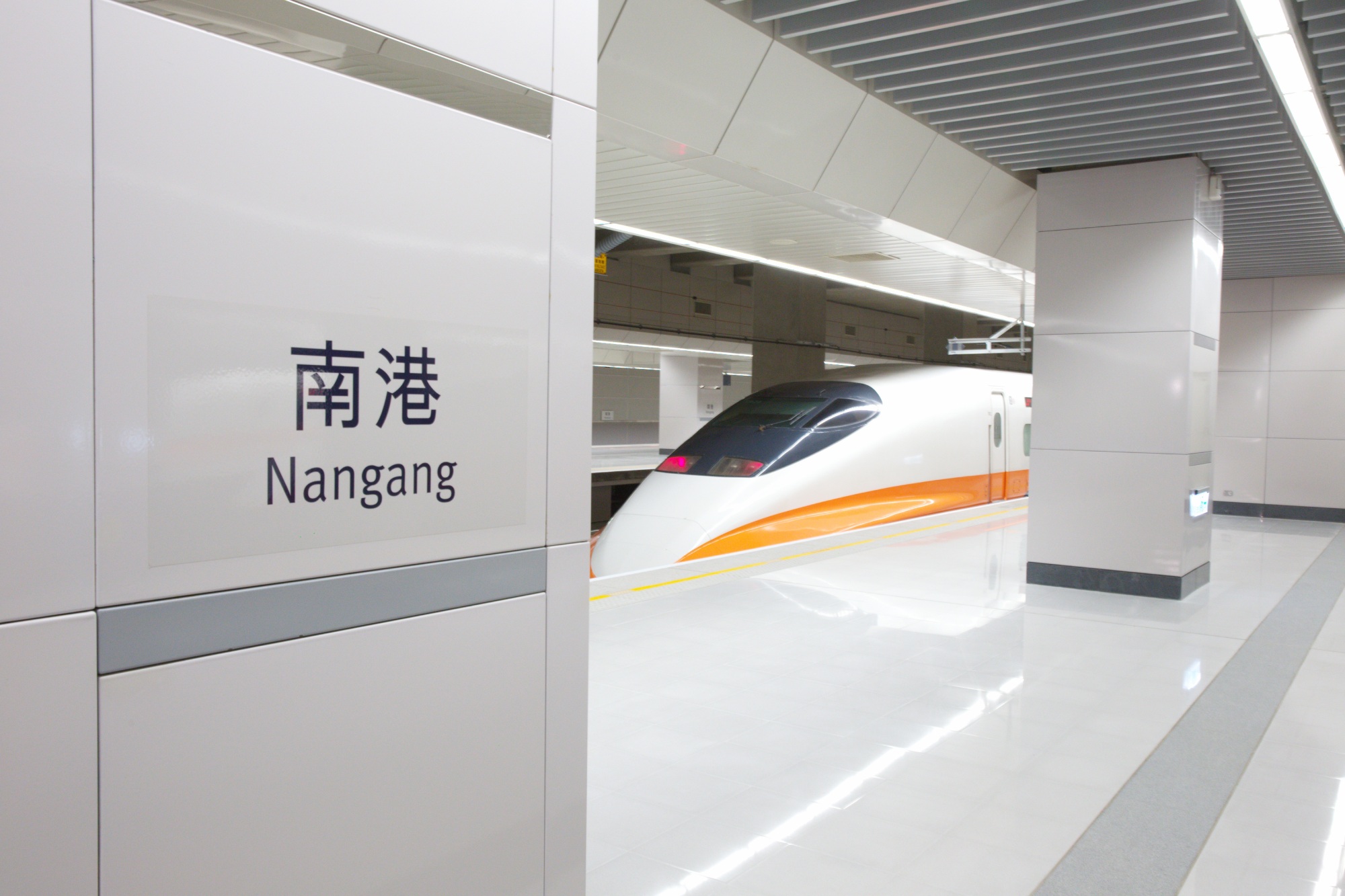
For high-security environments—including airports, rail interchanges, government buildings, and critical infrastructure—blast resistance and fire safety are no longer optional. These facilities require a dual-protection strategy, as the high probability of post-explosion fires necessitates the use of strictly non-combustible materials. To meet this challenge, our systems carry A1 or A2-s1,d0 non-combustible certification under EN 13501-1. Crucially, the s1 and d0 classifications ensure that in the event of a fire, the materials produce little to no smoke and zero flaming droplets, preventing the release of toxic gases that are often a cause of fatalities in enclosed public spaces.
Our DynaPanel systems are engineered to meet stringent ASIAD and SIDOS security requirements and have undergone rigorous ISO 16933:2007 arena blast testing. This provides certified performance against both VBIED (Vehicle-Borne) and PBIED (Person-Borne) loadings—a level of technical validation that few manufacturers can match. This rigorous evidence base is now the expected standard under Martyn’s Law and equivalent European and GCC security frameworks, providing defensible data for design reviews, tender submissions, and insurer audits. By integrating blast resilience with fire safety that eliminates toxic smoke risks, the building envelope becomes a proactive component of a facility’s structural resilience and comprehensive life-safety strategy.
EOTA and CWCT compliance
EOTA European Technical Assessments and CWCT standards for weather performance, structural integrity, and fixings are the documentation that wins commercial tender responses. Dynamic Cladding supplies both.
Material Options for Commercial Rainscreen Cladding
Material selection for commercial rainscreen cladding is driven by four variables: fire rating, weight, aesthetic intent, and the commercial use-case. Dynamic Cladding’s DynaPanel range covers the full specification envelope.
DynaPanel Stone

DynaPanel Stone delivers authentic natural stone rainscreen cladding aesthetics at up to 60% the weight of traditional stone, with an A2-s1,d0 non-combustible rating. For premium commercial towers, hotels, and civic buildings where stone specification is required but structural load limits, programme pressure, or seismic considerations rule out traditional stone, DynaPanel Stone is the specifier’s answer. The reduced weight also cuts structural steel tonnage, transport emissions, and on-site handling costs.
Our DynaPanel Stone systems, featuring natural limestones, marbles, and granites, have been rigorously tested to withstand a 100kg-equivalent VBIED blast. This 2026 certification reinforces the system’s position as a leading global solution for projects where the aesthetic of natural stone must be matched by uncompromised security and long-term durability.
DynaPanel Glass

DynaPanel Glass utilizes rear-coated, coloured ceramic frit tempered safety glass fabricated into frameless panels, supported by a lightweight backing structure and a concealed rear hanger rail. This “secret fix” solution creates a striking rainscreen façade where open joints produce shadow gaps that accentuate the architectural design. Beyond standard colour control, photorealistic images can be digitally printed and fused to the glass via the ceramic fritting process, allowing bespoke designs or corporate identities to flow seamlessly across the entire building envelope. Engineered for high-security environments, the system is VBIED tested to the highest international standards, making it a definitive choice for data centres, critical infrastructure, and public buildings where structural resilience is as vital as contemporary aesthetics. Furthermore, it supports fast-track Category A office or building refurbishments by ensuring a rapid installation with zero on-site wet trades, with full technical specifications available in our comprehensive glass rainscreen cladding guide.
DynaPanel Vitreous Enamel
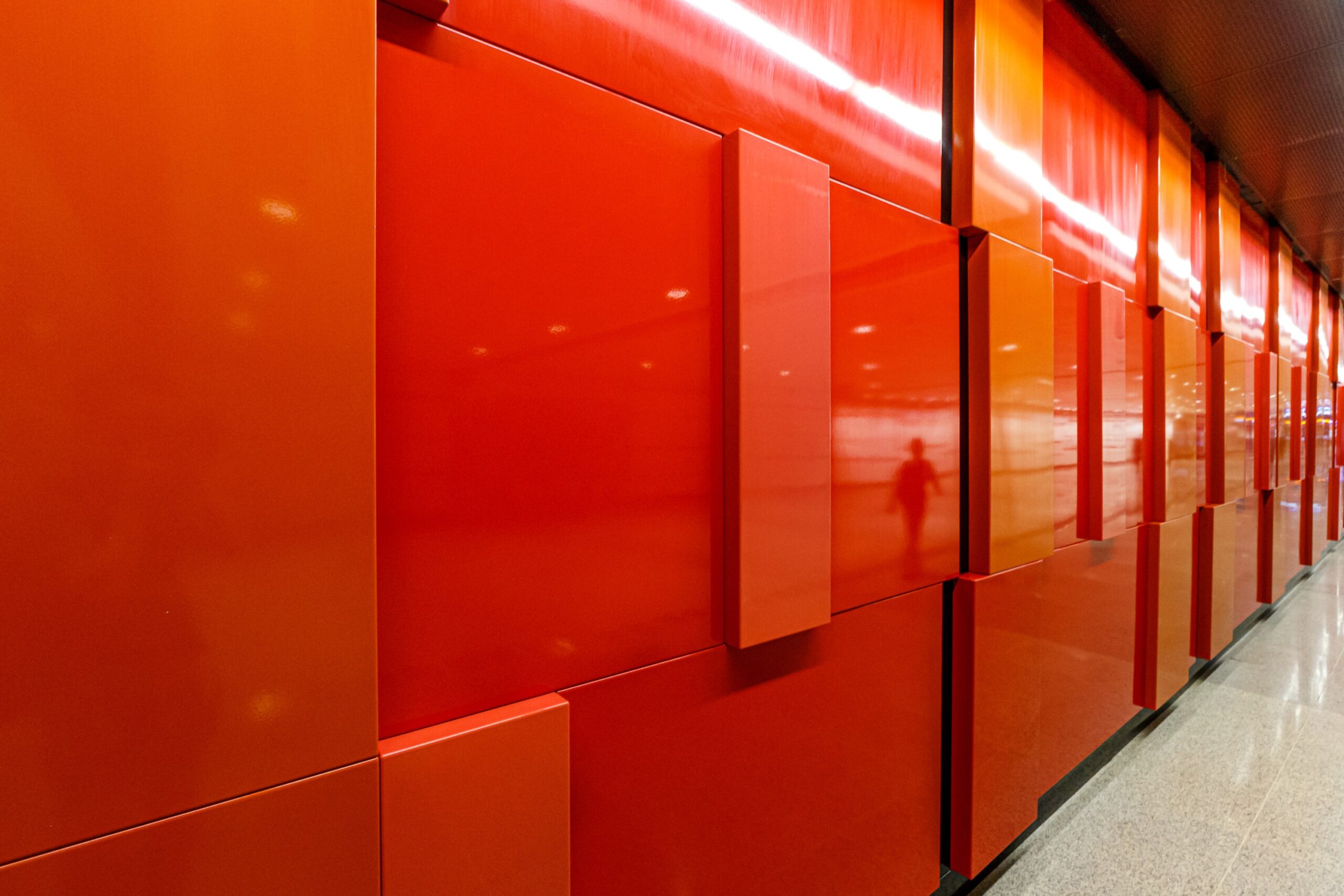
DynaPanel Vitreous Enamel is A1 non-combustible, colour-stable under UV exposure, scratch and graffiti-resistant, and simple to clean. These properties make it the default choice for transport infrastructure, education estates, healthcare facilities, and public realm projects where durability, hygiene, and long-term aesthetic retention are specified from day one. See the vitreous enamel cladding guide for full performance data.
Metal, GFRC, GRP and Ceramic Rainscreen options
Metal, GFRC, GRP and Ceramic rainscreen cladding are specified on commercial projects where cost, modularity, or aesthetic effects take priority. Dynamic Cladding’s broader DynaPanel range covers Metal applications; GFRC, GRP and Ceramic Coated Panels and are available for specific project briefs. All are appropriate for public & commercial use and backed by system-level fire, structural and blast certification — the non-negotiable certification that applies regardless of the material.
Commercial Applications by Sector
Rainscreen cladding is specified across every major commercial sector, but the specification logic differs by building type. The drivers that matter to a logistics developer are not the drivers that matter to a hospital estates team.
Commercial offices and mixed-use developments
Rainscreen systems on commercial offices deliver aesthetic differentiation at tender stage, programme certainty through prefabrication, and the sustainable cladding materials credentials tenants now write into heads of terms. Thermal performance supports BREEAM ratings; aesthetic flexibility supports brand-led workplace design.
Retail and hospitality
Retail and hospitality commercial envelopes prioritise brand expression, colour accuracy, and geometric flexibility. DynaPanel Glass and printed finishes allow flagship programmes to maintain brand consistency across multiple sites while meeting commercial fire standards.
Healthcare and education
NHS estates, university campuses, and independent education frameworks specify for durability, cleanability, fire compliance, and 30-year lifecycle cost. Glass, Vitreous Enamel and Stone ventilated rainscreen systems meet all four — and survive the maintenance regimes these estates run on.
Transport and public infrastructure
Airports, underground stations, rail interchanges, bus stations, and publicly accessible commercial infrastructure require blast resistance, vandal resistance, impact durability, cleanability, and performance under high occupancy. Dynamic Cladding’s ISO 16933:2007-certified systems are specified into exactly these environments across the UK, Europe and the GCC. With the ability to include openings within the panels for security cameras, CCTV and way-finding images and designs, the panels systems cover multiple applications whilst ensuring the upmost public safety.
Specifying with Confidence: What to Ask Your Supplier
Commercial rainscreen specification is easier to defend when the supplier is consulted before material and system selection, not after. These are the five questions every specifier should put to any rainscreen manufacturer under consideration for a commercial project:
- Can you supply EN 13501-1 classification reports for all the components in the full system build-up, not just the panel?
- Do you have BS 8414 system-level fire test evidence if all the components on your system offering is not A1 or A2 s1, d0 to EN13501-1?
- Is the system blast tested with third party certification to ISO 16933:2007 for the full system as installed, if the project requires it?
- Are BBA or ETA European Technical Assessments and CWCT compliance documents available for tender submission?
- What technical support is provided from design through installation?
The full range of Dynamic Cladding technical datasheets and certifications is available to registered specifiers on request.
Need this evidence for a live commercial project? Book a Specification Consultation and Dynamic Cladding’s technical team will provide EN 13501-1 reports, system-level test data, blast certification, and material recommendations tailored to your scheme — usually within 48 hours of the initial call.
Frequently Asked Questions About Commercial Rainscreen Cladding
Is rainscreen cladding suitable for high-rise commercial buildings?
Yes, provided the system carries A1 or A2-s1,d0 fire ratings to EN 13501-1 or has BS 8414 system-level test evidence. Dynamic Cladding’s DynaPanel range meets the thresholds and is specified on commercial high-rise projects across Europe, London and the GCC.
What fire rating is required for commercial rainscreen cladding in the UK?
Under Approved Document B, relevant commercial buildings over 11 metres require external wall materials rated A1 or A2-s1,d0 to EN 13501-1. The Building Safety Act extends accountability to the full system components, not just the panel.
How does commercial rainscreen cladding compare to traditional commercial facades?
Rainscreen systems outperform sealed facades on thermal efficiency, moisture management, and maintenance cost over a 25-year lifecycle. Prefabrication also shortens the facade critical path, accelerating practical completion.
What is the typical lifespan of a commercial rainscreen cladding system?
Correctly specified and installed, commercial rainscreen systems deliver 25 to 50 years of service, depending on the material. DynaPanel Glass, Stone and Vitreous Enamel systems are engineered for the upper end of that range.
Next Steps
Dynamic Cladding supplies commercial rainscreen cladding on projects across London, the wider UK, Europe the GCC and on projects across the globe, with every system backed by the certifications commercial specifiers need, from A1/A2 fire ratings, wind loading performance, pull and share certification, hard and soft body impact and to ISO 16933:2007 blast resistance. Book a specification consultation to discuss your project with our technical team, or request technical data for evaluation against your current specification.