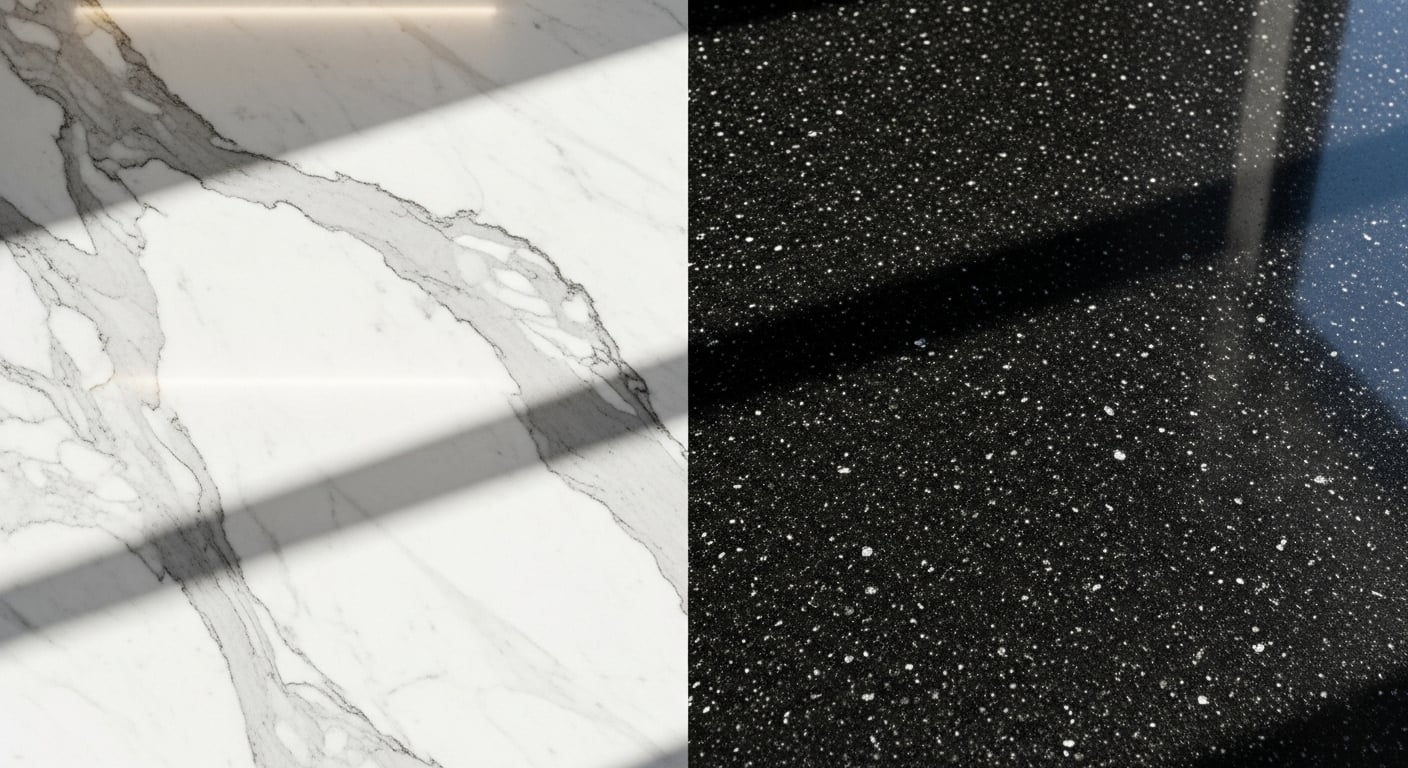
When it comes to choosing between marble and granite, understanding their unique characteristics is crucial. Both materials offer distinct advantages, making them popular choices for various projects.
In this guide, we will explore the differences between marble and granite, helping you make an informed decision.
Table of Contents
What is marble?
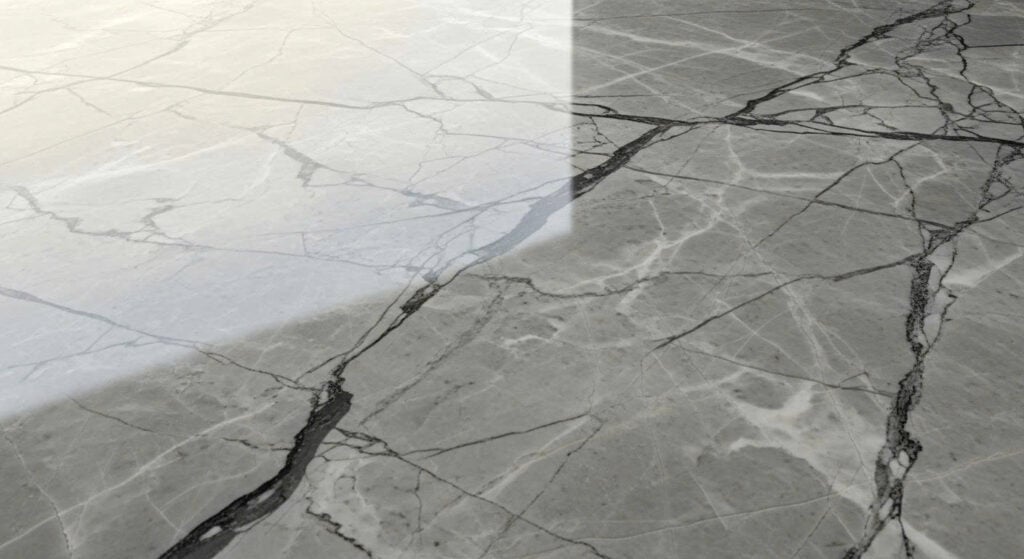
Marble is a metamorphic rock formed from limestone subjected to heat and pressure over time. This process results in a dense, crystalline structure that is highly prized for its beauty and elegance.
Renowned for its veined appearance, marble comes in a variety of colours, including white, black, green, and pink. The veining is due to mineral impurities present during its formation.
Marble is often used in sculptures and buildings, with famous examples including the Taj Mahal and Michelangelo’s David. Its luxurious appearance makes it a popular choice for high-end interior applications.
Despite its beauty, marble is relatively soft and porous, requiring regular maintenance to prevent staining and damage. It is less durable than granite, making it more suitable for low-traffic areas.
For those interested in sustainable building materials, marble can be an eco-friendly choice when sourced responsibly. It is a natural stone that can be recycled and repurposed.
What is granite?
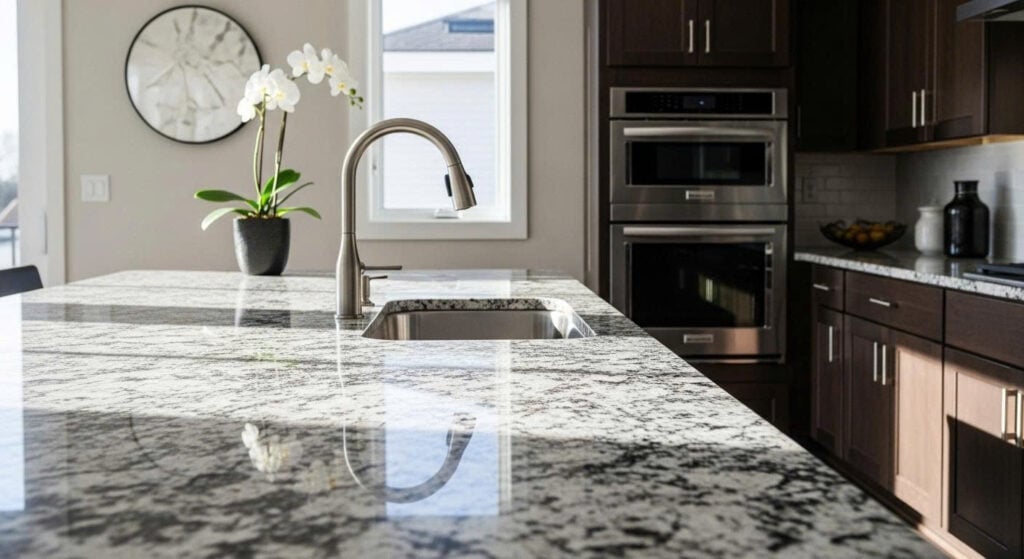
Granite is an igneous rock formed from the slow crystallisation of magma beneath the Earth’s surface. It is composed mainly of quartz, feldspar, and mica, giving it a granular texture.
Known for its durability and strength, granite is a popular choice for both interior and exterior applications. It is available in a wide range of colours and patterns, making it versatile for design purposes.
Granite is commonly used for kitchen countertops, flooring, and exterior cladding. Its resistance to heat and scratches makes it ideal for high-traffic areas.
Unlike marble, granite is less porous and requires less maintenance. It is also more resistant to staining and weathering, making it suitable for outdoor use.
For those considering exterior building cladding systems, granite offers a robust and aesthetically pleasing option. Its natural beauty and durability make it a preferred choice for many architects and builders.
How to tell the difference between marble and granite
Aesthetics and appearance
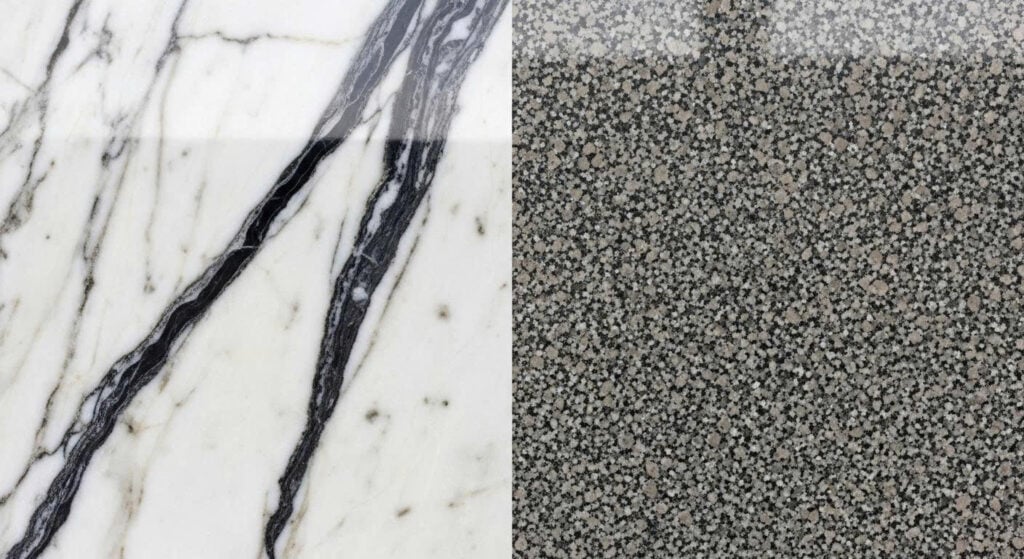
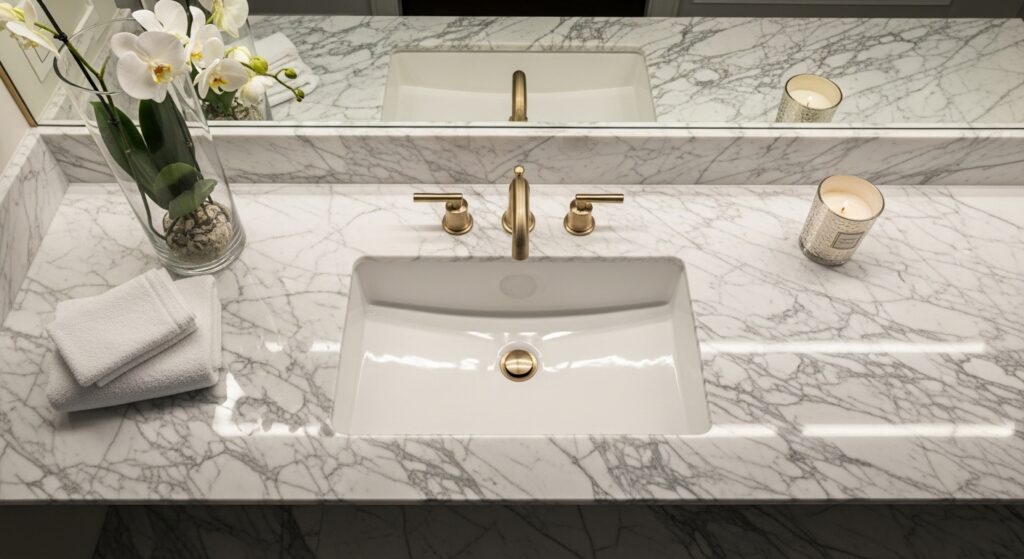
Marble is characterised by its smooth, veined appearance, often with a glossy finish. The veining patterns are unique to each slab, adding to its appeal.
Granite, on the other hand, has a more granular appearance with speckles of different minerals. It offers a wider variety of colours and patterns compared to marble.
Uses and applications

Marble is typically used in areas where aesthetics are a priority, such as bathrooms, fireplaces, and decorative features. Its elegance makes it a favourite for luxury interiors.
Granite is preferred for more functional applications, including kitchen countertops, flooring, and exterior cladding. Its durability makes it suitable for high-traffic areas.
Durability and hardness
Granite is harder and more durable than marble, making it less prone to scratches and damage. It is ideal for areas that experience heavy use.
Marble, being softer, is more susceptible to scratches and etching. It requires careful maintenance to preserve its appearance.
Maintenance
Marble requires regular sealing and cleaning to prevent staining and damage. It is more sensitive to acidic substances, which can cause etching.
Granite is easier to maintain, requiring less frequent sealing. Its resistance to stains and scratches makes it a practical choice for busy households.
Price
Marble is generally more expensive than granite due to its luxurious appearance and the complexity of its extraction and processing.
Granite offers a more cost-effective option without compromising on aesthetics or durability. It is widely available, making it a popular choice for budget-conscious projects.
Granite vs Marble: Which Is The Best Choice?
Choosing between granite and marble depends on your specific needs and preferences. If you prioritise aesthetics and are willing to invest in maintenance, marble may be the right choice for you.
For those seeking durability and ease of maintenance, granite is a more practical option. Its versatility makes it suitable for a wide range of applications.
Consider the intended use, location, and budget when making your decision. Both materials offer unique benefits that can enhance the beauty and functionality of your space.
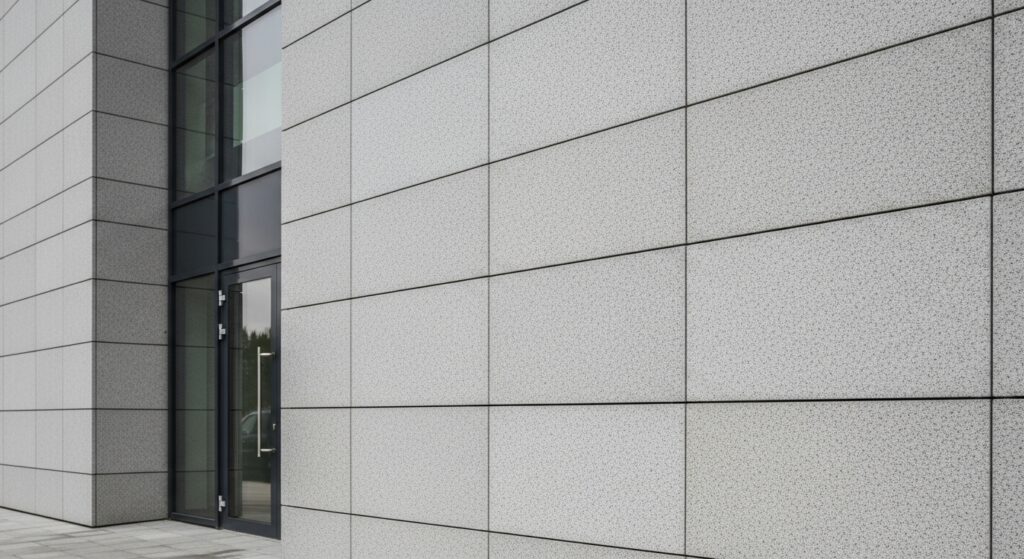
For exterior applications, granite’s durability makes it a preferred choice. It can withstand weathering and is less prone to damage from environmental factors.
Ultimately, the choice between marble and granite should align with your design vision and practical requirements. Both materials have the potential to add value and elegance to your project.
FAQs
Which is more expensive marble or granite?
Marble is typically more expensive than granite due to its luxurious appearance and the complexity of its extraction and processing. Granite offers a more cost-effective option without compromising on aesthetics or durability.
Does marble last longer than granite?
Granite generally lasts longer than marble due to its hardness and resistance to wear and tear. Marble, being softer, is more susceptible to scratches and damage over time.
Which is more slippery, granite or marble?
Both marble and granite can be slippery when polished, but marble is generally more slippery due to its smoother surface. Textured finishes can help reduce slipperiness in both materials.
Is marble more fragile than granite?
Yes, marble is more fragile than granite. It is softer and more prone to scratches, chips, and etching. Granite’s hardness makes it more resistant to damage.
Does granite yellow over time?
Granite does not typically yellow over time. However, improper sealing or exposure to certain chemicals can cause discolouration. Regular maintenance helps preserve its appearance.