Since Grenfell, fire-rated cladding has become the most scrutinised specification decision on any UK project over 11 metres. The regulatory framework has tightened in three waves — the 2018 combustible materials ban, the Building Safety Act 2022, and the ongoing work of the Building Safety Regulator — and the consequences of getting specifications wrong, now extend to personal criminal liability and financial risk for duty holders.
The baseline requirement on relevant buildings above the threshold is non-combustible cladding classified A1 or A2-s1,d0 to EN 13501-1, supported by full-system test evidence.
For a smaller subset of projects — airports, rail terminals, embassies, government buildings, and critical infrastructure — a second compliance framework sits alongside the fire regulations: blast resistance. The two frameworks test different failure modes, reference different standards, but on public projects, appear together on the same fire-resistant cladding panels specification. This guide maps both.
Table of Contents
What Is Fire Rated Cladding?
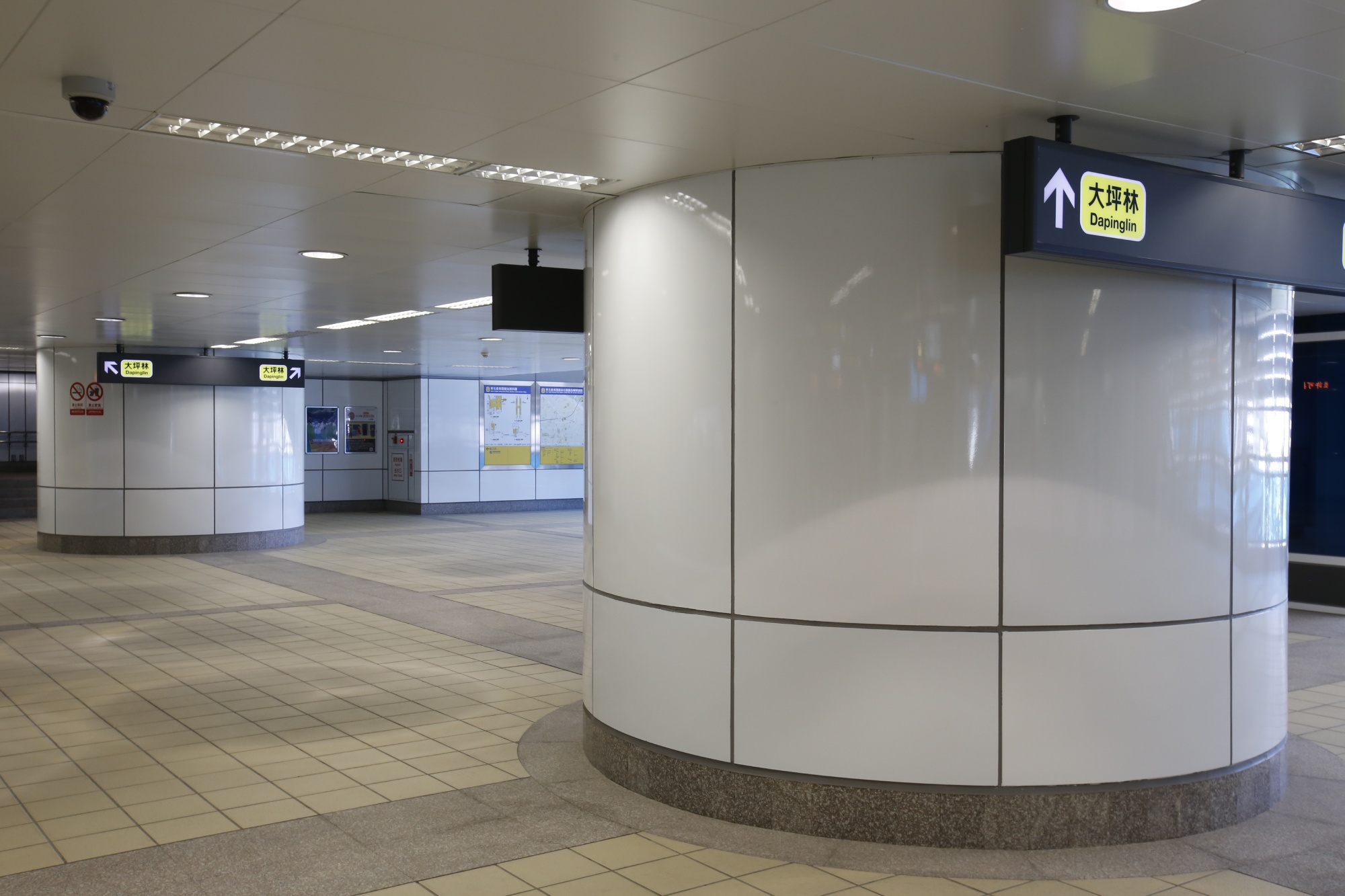
Fire rated cladding is external wall cladding whose materials and complete system build-up have been tested and classified against recognised fire performance standards. In UK specification language, “fire rated” covers two distinct properties that are frequently conflated and should not be.
Reaction to fire measures how a material contributes to a fire — whether it ignites, how it burns, how much smoke and burning debris it produces. This is classified under EN 13501-1, with ratings from A1 (non-combustible) through to F (no performance determined or highly-combustible).
Resistance to fire measures how long an assembly maintains integrity, insulation, and loadbearing capacity when exposed to fire — expressed in time-based ratings such as 30, 60, or 120 minutes.
For external wall cladding on UK relevant buildings, the regulatory focus is reaction to fire at material level and full-system performance under BS 8414. Time-based resistance ratings apply primarily to compartmentation — internal walls, floors, and fire-stopping — rather than to the external envelope itself.
On UK commercial and high-rise residential projects, fire rated cladding is almost always delivered through a ventilated rainscreen cladding system — a pressure-equalised build-up with an outer panel, a drained and ventilated cavity, insulation, and cavity barriers, all fixed back to the primary structure on a support system. The rainscreen format matters for fire compliance because the regulations and test standards treat the entire build-up as a single system, not a collection of components. A compliant panel specified into a non-compliant or untested build-up fails the same way an incompatible panel would.
The outer panel is where most specification conversations start. Fire rated cladding panels in current UK practice include glass, natural and engineered stone, vitreous enamel on steel, metal (aluminium solid and composite with mineral cores), and mineral composite. Each has different classification, weight, aesthetic, and cost profiles, and the choice between them is a concept-stage decision that shapes the rest of the specification. What matters at this level is that the panel is one component of a system, and the system is what gets certified.
Getting this distinction right at Stage 2 prevents a costly specification pivot at Stage 4 when building control queries why a “2-hour fire rated” façade panel cannot demonstrate EN 13501-1 A2-s1,d0 classification, or why a fire-rated panel has been fixed into an untested support system.
EN 13501-1: The Classification Framework
EN 13501-1 is the European standard that classifies the reaction-to-fire performance of construction products. For external wall cladding on UK relevant buildings over 11 metres, it is the standard that determines whether a material can be used at all.
The classification runs from A1 through to F. A1 materials are non-combustible — they do not contribute to fire under any conditions. Natural stone, glass, steel, and vitreous enamel on steel sit here. A2-s1,d0 materials are of limited combustibility with the lowest possible smoke production (s1) and no flaming droplets or debris (d0); this is the practical upper boundary for relevant buildings over 11m. Classifications from B through F are combustible to progressively greater degrees and are not permitted on relevant buildings above the threshold.
The sub-classifications matter. A material rated A2-s3,d2 is not the same as A2-s1,d0 and does not meet Approved Document B for the buildings in scope. Specifiers should insist on the full classification string — including the s and d values — on every test report and datasheet, and should not accept “A2 rated” as sufficient descriptive shorthand in a product submission.
Dynamic Cladding’s DynaPanel Glass, DynaPanel Stone, and DynaPanel Vitreous Enamel systems are rated A1 or A2-s1,d0 to EN 13501-1, with test reports issued by UKAS-accredited laboratories.

Approved Document B and the 11m / 18m Thresholds
Approved Document B is the practical guidance supporting Part B of the Building Regulations in England. Wales, Scotland, and Northern Ireland have parallel documents with similar — but not identical — provisions. Specifiers on cross-border projects should not assume equivalence.
ADB’s external wall provisions are governed by two height thresholds and one building-type definition.
The 11-Metre Threshold
Since the 2018 combustible materials ban (amended and extended in subsequent updates), external walls of relevant buildings over 11 metres in height must be constructed of materials achieving European Class A2-s1,d0 or A1 under EN 13501-1. A relevant building is, broadly, one containing dwellings, student accommodation, residential care, hospitals, or boarding school accommodation. The 11m measurement is taken from the lowest ground level adjacent to the building to the finished floor level of the topmost storey.
Below 11m, a broader range of materials is permitted — but specifiers should not read “permitted under ADB” as “safe to specify”. Insurers, warranty providers, and clients increasingly apply stricter tests than the regulations require.
The 18-Metre Threshold
Buildings over 18m trigger BS 8414 full-system testing as an alternative compliance route where individual components do not meet A2-s1,d0. Above 18m, residential buildings also fall within the Higher-Risk Building regime under the Building Safety Act, covered in the next section.
What Triggers What
At Stage 2, the practical filter is straightforward: if the project includes residential accommodation above 11m, default to A1 or A2-s1,d0 materials. If the project is non-residential but over 18m, apply the same default.
The Building Safety Act 2022 and the Dutyholder Regime
The Building Safety Act 2022 is the most significant change to UK building regulation since the 1984 Building Regulations themselves. For specifiers working on higher-risk buildings, it reshapes responsibility, documentation obligations, and the approval process end-to-end.
Higher-Risk Buildings
A Higher-Risk Building (HRB) in the in-occupation regime is a building of at least 18 metres in height or at least seven storeys, containing at least two residential units. Hospitals and care homes meeting the height threshold are also in scope during design and construction under the gateway regime. HRB status triggers the full duties set out below; buildings outside HRB scope still fall under the general Building Regulations and ADB but without the additional gateway oversight.
Dutyholder Responsibilities
The Act creates named dutyholder roles — the Client, the Principal Designer, and the Principal Contractor — each with specific legal responsibilities for building safety. For cladding specification, the Principal Designer carries responsibility for ensuring that design decisions, including material and system selection, comply with Building Regulations and are supported by adequate evidence. These duties are statutory and, in serious cases, carry personal criminal liability. “We specified what the supplier recommended” is no longer a defence.
The Golden Thread
Dutyholders on HRBs must create and maintain a digital, structured, and auditable record — the golden thread — covering the building’s design, construction, and the evidence supporting safety-critical decisions. For cladding, this means the full evidence pack: EN 13501-1 classification reports, BS 8414 test reports where applicable, product datasheets, system drawings, installation records, and UKCA or CE marking documentation must be captured, versioned, and handed to the Accountable Person at completion.
Gateways and the Building Safety Regulator
HRBs pass through three regulatory gateways — planning, pre-construction, and completion — administered by the Building Safety Regulator within the Health and Safety Executive. Gateway 2, before construction starts, requires full design information including the external wall build-up and its supporting test evidence. Specifying a system without demonstrable A1 or A2-s1,d0 to BS EN13501-1 or BS 8414 evidence at Gateway 2 stops the project.
BS 8414 System Testing and BR 135 Performance Criteria
BS 8414 is the UK standard for large-scale fire testing of external wall systems. Where individual materials in a cladding build-up do not all achieve A2-s1,d0 or A1, BS 8414 is the alternative compliance route — but it tests the complete system, not the panel and subsequent related materials in isolation.
A BS 8414 test mounts the full specified build-up — outer panel, support system, cavity, insulation, cavity barriers, fixings — onto a test rig and exposes it to a controlled fire source simulating a flat-fire scenario. Temperatures, flame spread, and mechanical behaviour are measured at multiple points for 60 minutes.
The pass criteria are defined in BR 135, the BRE performance standard. BR 135 sets limits on temperature rise at specific heights on the test rig, on flame spread up and across the system, and on the mechanical performance of the build-up — whether panels detach, whether cavity barriers activate, whether the support system maintains integrity. A system either passes BR 135 in full or does not; partial passes do not exist in compliance terms.
Two points matter for specifiers. First, a BS 8414 certificate is specific to the tested build-up. Substituting a different insulation, a different cavity barrier, or a different support system voids the certification — the specified system must match the tested system component for component. Second, the certificate belongs to the system, not to any single material from a supplier. A panel manufacturer presenting “BS 8414 tested” documentation should be able to show the full test report, the exact build-up tested, and every component specification, not a summary page.
Dynamic Cladding’s DynaPanel rainscreen systems are tested under the EN13501-1 individual component test program, all materials a Non-Combustible A1 or A2-s1,d0 and the associated test reports and certifications are available in the evidence pack supplied with every specification.
Book a Specification Consultation
Working through fire compliance strategy on a project at RIBA Stage 2 or 3? Book a 30-minute consultation with Dynamic Cladding’s technical team. We’ll review the regulatory framework for your project, the evidence requirements at Gateway 2, and the system options that match your aesthetic and performance brief.
Book a Specification Consultation →
Blast-Resistant Cladding: The Second Compliance Framework
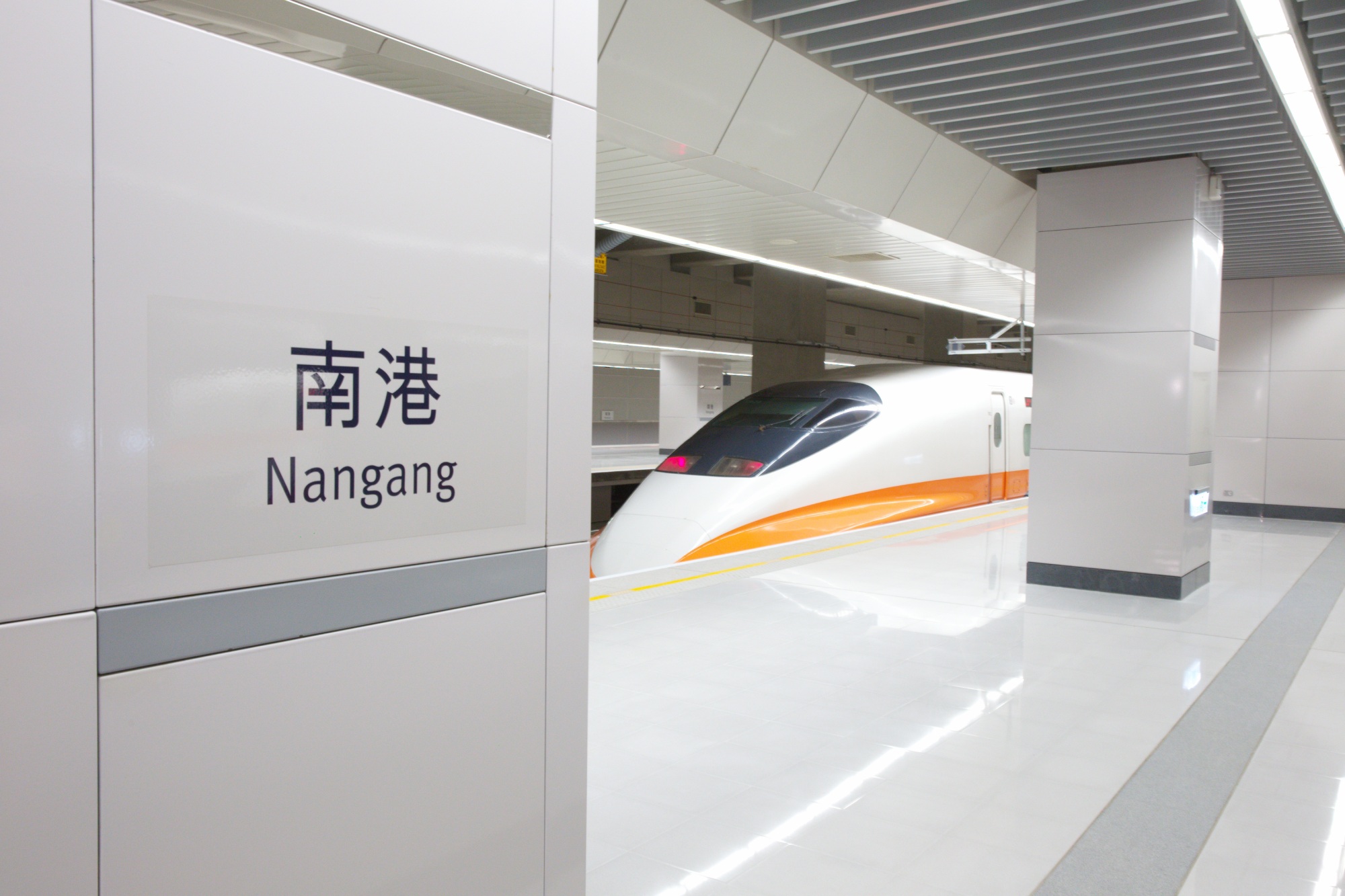
For a defined category of UK and international projects, fire compliance alone is not sufficient. Airports, rail terminals, embassies, government buildings, financial institutions, data centres, and critical national infrastructure must specify façades that also resist blast loading — whether from vehicle-borne improvised explosives (VBIEDS), backpack or parcel bombs (PBIEDS), or accidental detonation.
Blast resistance is a separate compliance framework from fire performance. It references different standards, measures different failure modes, and is rarely addressed in mainstream cladding product documentation. A panel rated A1 to EN 13501-1 tells a specifier nothing about how it behaves under blast loading; a panel certified to ISO 16933 tells a specifier nothing about its reaction to fire. Both certifications are required for projects in scope, and they must be demonstrated on the same system build-up — not on two different products tested separately.
This is where Dynamic Cladding’s certification history is genuinely differentiated. DynaPanel rainscreen systems are independently certified to the three principal blast standards in commercial use — ISO 16933:2007, ASIAD, and SIDOS — alongside EN 13501-1 A1/A2-s1,d0 fire ratings-level testing on the same build-up.
ISO 16933:2007 — Arena Air-Blast Testing of Glazing and Glazing Systems
ISO 16933:2007 is the international standard for arena blast loading of glazing, glazing systems and façade cladding materials, covering both vehicle-borne and hand-carried threats. The test exposes a full-scale specimen to a controlled explosive charge at a measured standoff distance, recording peak pressure, impulse, and post-blast condition of the specimen and any hazard produced behind it.
Ratings under ISO 16933 are expressed as a combination of threat level (EXV for vehicle-borne, EXB for hand-carried) and hazard rating (A to F, with A being the highest-performing — no hazard — and F indicating the specimen or debris reaching a defined distance behind the glazing). A specifier reading an ISO 16933 certificate should identify the threat code, the hazard rating, and the specimen details, and confirm that the tested specimen matches the build-up being specified.
All Dynamic Cladding’s DynaPanel systems carry ISO 16933 certification at hazard ratings appropriate for transport and public infrastructure applications. Test reports and the specimen build-up documentation are issued as part of the project evidence pack. The specification differences between blast-resistant glass and façade cladding materials against standard architectural glazing or cladding materials cannot be compared or used in the same specification format, they must be specified as a fully tested and certified blast performance system against the threat loading required for the individual project requirements.
ASIAD —Aviation Security in Airport Development
ASIAD (Aviation Security in Airport Development) compliance is a mandatory UK requirement within the Department for Transport framework that integrates physical security into airport infrastructure, the regulations are implemented to mitigate the effects of explosive attacks.
To meet these requirements, blast-tested glazing and cladding systems must function as a single, coordinated solution capable of managing the extreme pressure of a detonation. Under these standards, the envelope or cladding system must typically achieve a “Low Hazard” or “No Hazard” rating, ensuring that components remain securely retained within their framing. If materials do displace, they must fall within a maximum 1000mm distance from the installed location; this is critical because incorrect specifications can lead to lethal splintering and shrapnel, causing significant casualties from flying debris even well outside the immediate blast zone.
Furthermore, cladding panel systems must possess the structural ductility to absorb energy, supported by reinforced, tested anchorage to prevent sections from detaching and becoming secondary projectiles. Beyond the immediate impact, these installations must remain structurally stable to ensure that debris does not block emergency exits or hinder the access of emergency services.
Because performance depends entirely on the synergy between the tested system material strength and connection points, any deviation from the certified tested design is a major failure point; neglecting to match installed materials to tested system specifications can result in the rejection of completion certificates, the refusal of international carriers to use airport locations and expose individual dutyholders to personal criminal liability.
SIDOS — Security in the Design of Stations
SIDOS (Security in the Design of Stations) is the mandatory UK Department for Transport framework for rail infrastructure, mirroring the ASIAD airport standard by requiring building envelopes and cladding to function as a single, coordinated system capable of managing both extreme blast pressures and strict fire safety standards.
To ensure life safety, glazing and facade systems must typically achieve a “Low Hazard” rating—where any displaced material falls within a 1000mm limit—to prevent lethal shrapnel from causing casualties outside the immediate blast zone.
Furthermore, because explosions often trigger secondary fires, materials must meet EN 13501-1 non-combustibility standards (Class A1 or A2-s1, d0) to eliminate toxic gases and maintain structural stability, ensuring debris does not block emergency exits or hinder rescue services.
Compliance is verified by aligning ISO 16933 test data with project-specific SIDOS threat profiles; consequently, any deviation from these tested specifications is a critical failure that can lead to the refusal of completion certificates, further casualties and expose individual dutyholders to personal criminal liability for professional neglect.
Combining Fire and Blast Certification in One System
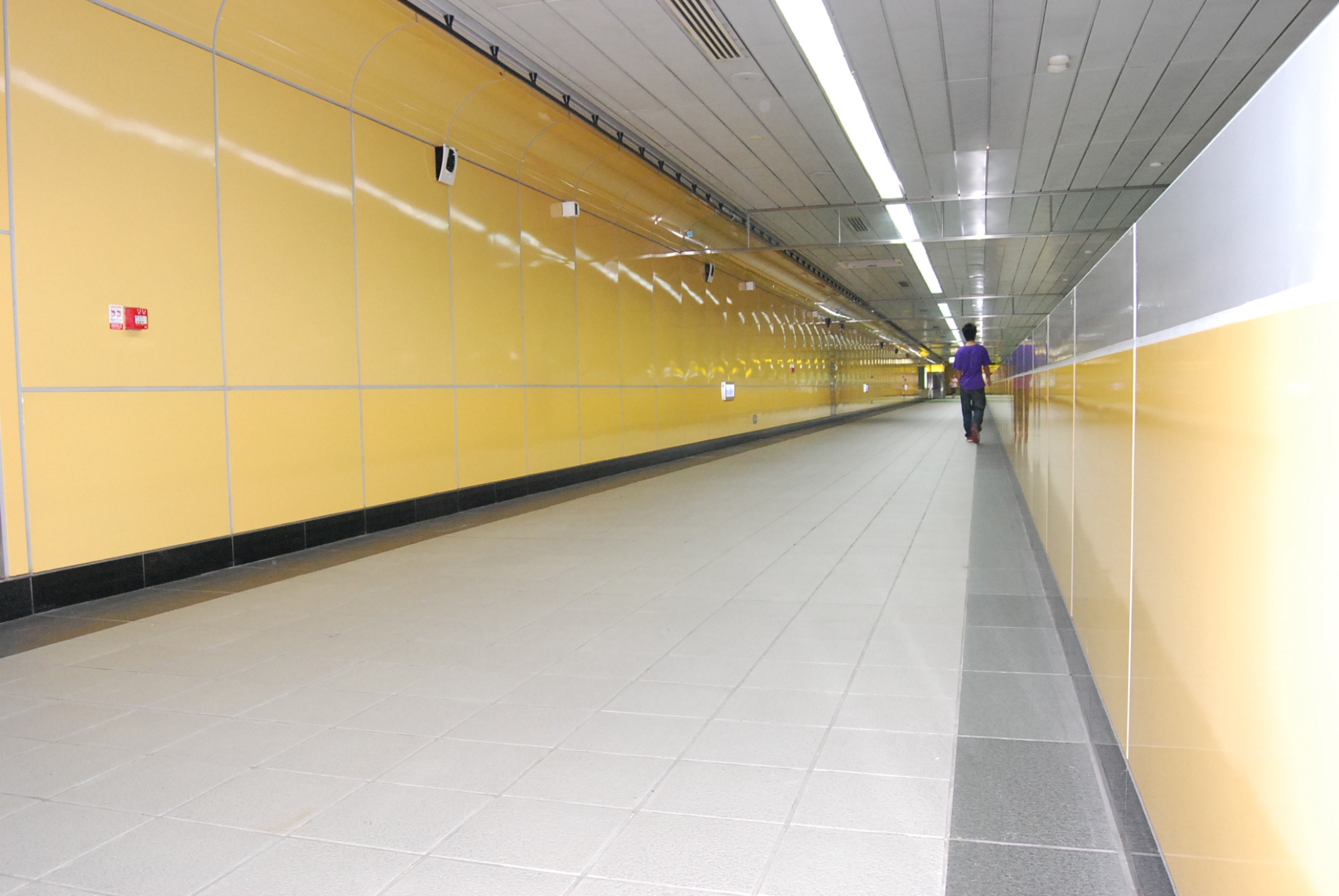
The hardest compliance challenge on a high-security project is not achieving either fire or blast performance in isolation — it is achieving both on the same specified build-up, with evidence from independent laboratories, in the same documented system.
Swapping an insulation type, a cavity barrier, or a support system to meet one standard can invalidate the certification for the other. DynaPanel systems are designed and tested as integrated fire and blast certified build-ups; substitution during value engineering is a specification risk and should be treated as such.
of dual fire and blast compliance. While regulatory drivers such as ASIAD for aviation or SIDOS for rail may differ by sector, the technical response must be a single, non-negotiable specification of certified systems supported by a traceable evidence pack covering both failure modes.
For these structures, the facade must function as a coordinated life-safety system capable of managing extreme detonation pressures to prevent lethal shrapnel while simultaneously meeting EN 13501-1 (Class A1 or A2-s1, d0) non-combustibility standards to eliminate toxic gases and secondary fire spread.
Ultimately, ensuring these systems remain structurally stable to protect emergency egress routes is not just a design requirement but a legal necessity; any deviation from the certified, tested design compromises public safety and exposes dutyholders to personal criminal liability.
High-Risk Building Typologies
Characterized by high occupant density, symbolic significance, and the severe consequences of material failure, these building types require a specialized convergence where distinct regulatory, technical, and legal obligations merge into a single, unified solution. Technically, this ends “siloed” thinking by requiring a single system to satisfy multiple requirements simultaneously, such as a facade panel that is both blast-rated and non-combustible (EN 13501-1) to prevent systemic failure during a multi-hazard event.
Expanding on this, regulatory requirements across different sectors, such as ASIAD for airports, SIDOS for rail, and Martyn’s Law for public venues in the UK, have converged on the same physical standards for “Low Hazard” performance and the elimination of secondary fragments. Ultimately, the Building Safety Act 2022 enforces a legal convergence of accountability, placing the criminal liability for both fire and structural failures directly under the umbrella of the Dutyholder, such as the Principal Designer or Principal Contractor.
In short, convergence is the realization that a component is only truly safe when it meets every applicable high-risk standard at once, backed by a single, traceable thread of evidence.
Aviation — Airports and Terminals
Airport terminals combine high-occupancy public space, international symbolic profile, and designation as critical national infrastructure. Façade and cladding design specification is governed by a combination of EN13501-1 for fire performance, ISO 16933:2007 for arena bomb blast loading requirements, under airport-specific security requirements set by the operator and, in the UK, by the Department for Transport and NPSA to ASIAD regulations.
Major UK and GCC airport projects routinely specify dual-certified rainscreen and cladding systems on landside elevations and on any elevation facing a vehicle approach. Blast-resistant stone cladding: Blast Resistant Stone Cladding for Airports cluster, is a common specification for airport landside elevations where the architectural weight of natural material is required alongside certified blast performance.
Rail — Stations and Transport Hubs
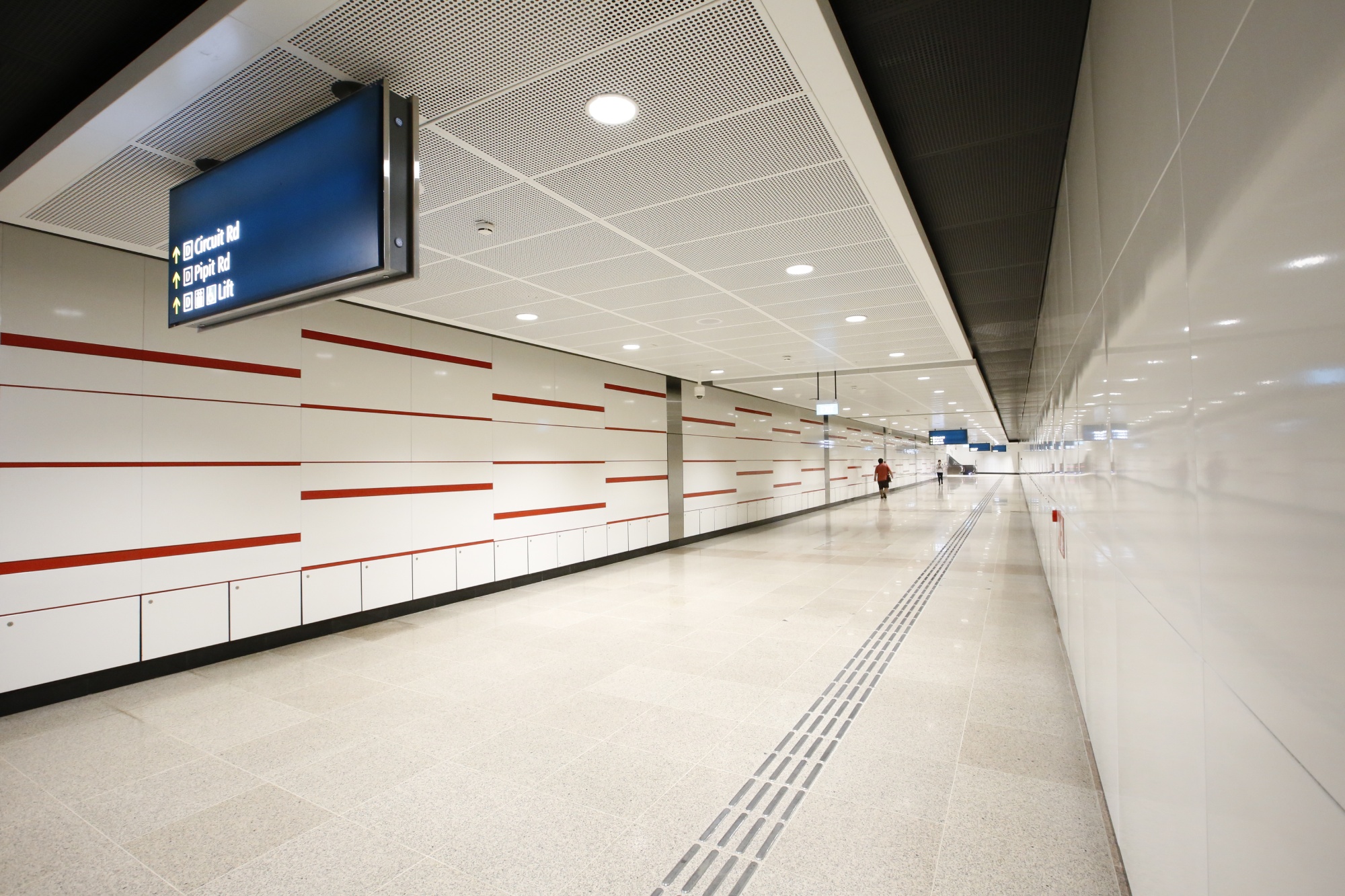
Mainline stations, metro interchanges, and high-speed rail terminals are specified against Network Rail standards in the UK and equivalent operator standards internationally. Blast requirements vary by station classification and threat assessment; fire requirements follow the general ADB framework with additional provisions for below-ground and enclosed environments. Vitreous enamel, natural stone panels and glass rainscreen systems are common specifications for their combination of durability, graffiti resistance, and certified fire and blast performance.
Diplomatic and Government Estate
Embassies, high commissions, ministerial buildings, and secure government facilities specify against the host government’s security standards and, for UK overseas posts, against Foreign, Commonwealth and Development Office design requirements with NPSA input. Blast threat levels are assessed per post; certification under ISO 16933, ASIAD, or SIDOS is standard, and material selection is often constrained to non-combustible options regardless of height thresholds.
Critical National Infrastructure
Data centres, utility control buildings, financial sector operations centres, and emergency services command facilities fall within Critical National Infrastructure designation. Specification is driven by the operator’s own security standards, insurer requirements, and — for publicly designated sites — NPSA guidance. Fire performance defaults to A1/A2-s1,d0 testing and certification; blast performance is specified per the site’s threat assessment.
Healthcare and Education
NHS capital projects and higher education estate — particularly science, laboratory, and high-occupancy teaching buildings — increasingly specify enhanced blast performance on exposed elevations and on buildings with identified threat profiles. For the majority of healthcare and education projects, fire compliance under ADB and the Building Safety Act is the dominant driver, with blast assessed case by case.
International Compliance: UK vs GCC vs US and Australia
Many projects that specify fire-rated cladding operate across jurisdictions — a UK practice designing a Dubai hotel, a GCC developer delivering a London residential tower, a US corporate client with estate in both markets. Compliance frameworks do not translate directly, and evidence accepted in one jurisdiction is sometimes not sufficient in another.
United Kingdom
UK compliance is governed by Part B of the Building Regulations, implemented through Approved Document B in England (with parallel documents in Wales, Scotland, and Northern Ireland), supported by EN 13501-1 material classification and BS 8414 / BR 135 system testing. The Building Safety Act 2022 overlays additional duties and gateway oversight for Higher-Risk Buildings. UKCA and CE markings, applies to construction products placed on the UK market.
GCC — UAE, Saudi Arabia, Qatar
The UAE Fire and Life Safety Code of Practice, administered by UAE Civil Defence, is the dominant framework across the Emirates. It references fire performance standards that align in substance with EN 13501-1 and NFPA testing, and it requires Civil Defence approval of cladding systems for high-rise buildings — effectively a system-level sign-off comparable in scope to EN13501-1 or BS 8414 approval in the UK.
Saudi Arabia’s Building Code (SBC 801) and Qatar’s Civil Defence requirements operate on similar principles with local variation. A EN13501-1 or BS 8414 certification is useful supporting evidence in the GCC but does not substitute for local approval; projects should budget time and cost for jurisdiction-specific testing or approval submission.
United States
US fire compliance is governed by the International Building Code (adopted with variations by state and municipality) and the National Fire Protection Association standards. The dominant test for exterior walls on buildings over 40 feet is NFPA 285 — a full-scale test of the complete exterior wall assembly under fire exposure, broadly analogous in intent to BS 8414 but differing in test apparatus, instrumentation, and pass criteria.
NFPA 285 evidence is not interchangeable with BS 8414 evidence; each standard requires its own test. ASTM E84 (Steiner Tunnel Test) classifies surface burning characteristics at material level, with Class A the highest rating. US projects with blast requirements reference ASTM F2912 and federal standards under the Interagency Security Committee framework.
Australia and New Zealand
The National Construction Code (NCC) in Australia, particularly following the amendments post-Lacrosse and Grenfell, restricts combustible external wall materials on buildings of Type A and Type B construction. AS 5113 is the Australian standard for full-scale fire testing of external wall cladding systems — similar in structure to BS 8414 but with distinct pass criteria. New Zealand’s Building Code references AS 5113 alongside its own acceptable solutions.
Specifying for Multi-Jurisdiction Projects
Two practical points for cross-border work. First, specify the test standards required by each jurisdiction explicitly — do not assume equivalence. A supplier confirming “international fire certification” without naming standards is not answering the question.
Second, confirm which standards the same system build-up has been tested against. The commercial and programme cost of testing a single system against BS 8414, NFPA 285, and AS 5113 is substantial; systems with established multi-standard certification are materially easier to specify internationally.
The Specification Decision Framework by RIBA Stage
Fire and blast compliance decisions map onto the RIBA Plan of Work. Made in the right order at the right stage, they compound into a clean evidence pack at handover. Made out of sequence, they force expensive rework at Stage 4 or — worse — at Gateway 2.
Stage 2: Concept Design
Strategic material-class decisions. Establish the building’s status under ADB (relevant building? over 11m? over 18m?) and under the Building Safety Act (HRB?). Determine whether blast is in scope based on typology, location, and any client or NPSA threat assessment. Commit to a compliance position — A1/A2-s1,d0 materials, system-tested rainscreen, and blast certification where required — before developing aesthetic options. This is a far more cost-effective method over reversing course at Stage 3.
Stage 3: Spatial Coordination
System selection and evidence validation. Shortlist systems that meet the Stage 2 compliance position and have demonstrable BS 8414 / BR 135 evidence (and blast certification where required) on the build-up being specified, not a similar one. Confirm the support system as part of the tested system. Begin assembling the Gateway 2 evidence package.
Stage 4: Technical Design
Documentation and handover preparation. Finalise the NBS or CSI specification, component schedules, and the golden thread evidence pack. Lock the specified build-up against a value-engineering substitution — any change post-certification invalidates the certificate.
What to Look for in a Supplier’s Evidence Pack
A compliant supplier should provide, without prompting: EN 13501-1 classification reports with full sub-class strings issued by UKAS-accredited laboratories or a BS 8414 test report with the complete specimen build-up and BR 135 pass certificate; bomb blast certification reports (ISO 16933:2007, to meet the ASIAD, or SIDOS blast loading requirements) with systems. BBA Assessment or European Technical Assessment; component schedules matching the tested build-up component for component; and installation and inspection records feeding the golden thread.
Summary documents and marketing datasheets are not evidence. The full test reports should be available — if a supplier declines to provide them, the certification should be treated as unverified. Remember suppliers have invested substantial amounts developing systems that meet the requirements, suppliers’ technical data and certifications should be always treated with commercial sensitivity and not shared outside of the design engineer’s assessment requirements.
Frequently Asked Questions
What is fire rated cladding?
Internal or External wall cladding whose materials and system build-up have been tested and classified against recognised fire performance standards — in the UK, EN 13501-1 for material classification and BS 8414 for full-system testing.
What fire rated cladding meets UK regulations?
On relevant buildings over 11m, only materials classified A1 or A2-s1,d0 under EN 13501-1, or full systems specified into a BS 8414 / BR 135 tested system build-up, meet Approved Document B.
What is A2 fire rated cladding?
A2 under EN 13501-1 denotes materials of limited combustibility. The full classification required for UK relevant buildings over 11m is A2-s1,d0 — the lowest smoke production and no flaming droplets.
What is the difference between A1 and A2 fire rated cladding?
A1 materials are non-combustible and do not contribute to fire under any conditions. A2-s1,d0 materials are of limited combustibility with the lowest smoke and no burning droplets. Both meet Approved Document B for relevant buildings over 11m.
Is blast resistant cladding a separate certification from fire-rated cladding?
Yes. Fire performance is certified under EN 13501-1 and BS 8414; blast performance is certified under ISO 16933:2007. Both certifications must be demonstrated on the same specified system build-up.
What does BS 8414 test?
BS 8414 tests a complete external wall system — outer panel, cavity, insulation, cavity barriers, and support system — under controlled fire exposure for 60 minutes, against the pass criteria set out in BR 135.
Book a Specification Consultation
Working through fire and blast compliance on a project at RIBA Stage 2 or 3? Book a consultation with Dynamic Cladding’s technical team — we’ll review your project’s regulatory scope, the evidence you’ll need at Gateway 2, and the DynaPanel system options that match your aesthetic, fire, and blast requirements.
Book a Specification Consultation → Earlier in the process? Request Technical Data → — full classification reports, and bomb blast certification documentation for every DynaPanel system.