Natural stone finishes offer a diverse range of textures and appearances, making them a popular choice for both interior and exterior applications. Understanding the different types of finishes can help you select the best option for your project.
In this article, we will explore various natural stone finishes, their applications, and maintenance tips.
Table of Contents
Types of Natural Stone Finishes
Each natural stone finish brings a distinct texture, level of sheen, and performance benefit. Below are the most commonly used finishes in architectural applications, from high-gloss to rugged textures, and where they work best.
1. Polished Stone Finish

A polished finish is achieved by grinding the stone surface with fine abrasives until it becomes smooth and shiny. This finish enhances the stone’s natural colours and patterns, making it a popular choice for countertops and floors.
While polished stone is visually striking, it can be slippery when wet, making it less suitable for areas prone to moisture. Regular cleaning and sealing are essential to maintain its glossy appearance.
2. Honed Stone Finish
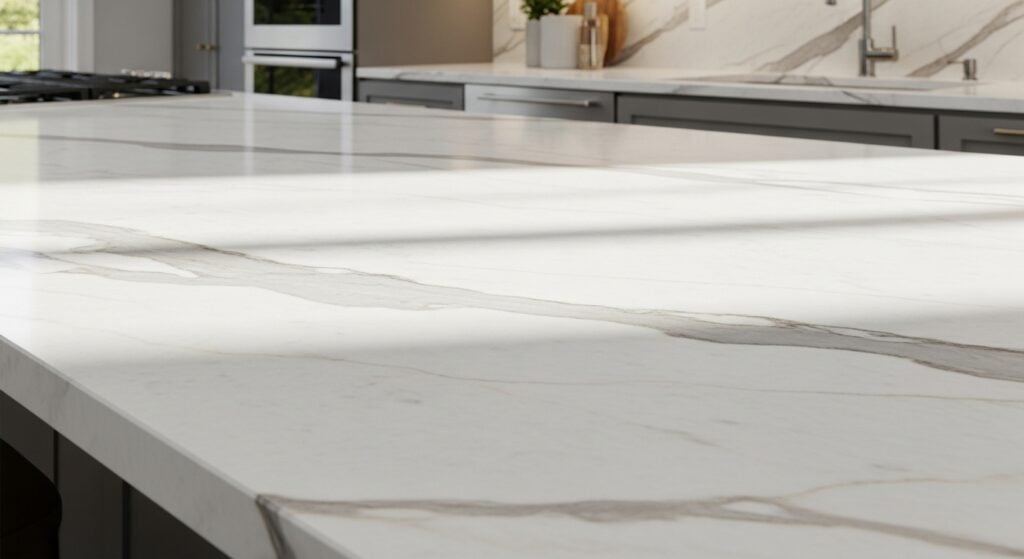
A honed finish is created by sanding the stone to a smooth, matte surface. This finish is less reflective than polished stone, offering a more understated elegance.
Honed finishes are ideal for high-traffic areas as they are less prone to showing scratches and wear. They provide a slip-resistant surface, making them suitable for bathrooms and kitchens.
3. Brushed Stone Finish

The brushed finish is achieved by treating the stone surface with wire brushes, creating a textured, aged appearance. This finish adds character and depth to the stone, making it a popular choice for rustic designs.
Brushed stone is slip-resistant and hides imperfections well, making it suitable for both indoor and outdoor applications. It requires regular cleaning to prevent dirt from settling into the textured surface.
4. Flamed Finish
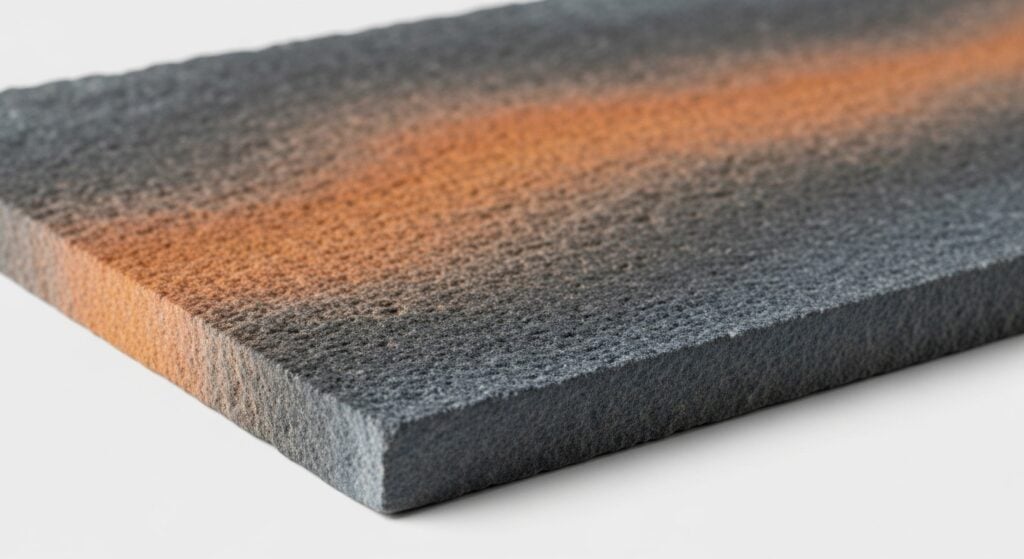
A flamed finish is produced by exposing the stone to high temperatures, causing the surface to burst and become rough. This finish is commonly used for granite and is ideal for outdoor applications.
The rough texture of flamed stone provides excellent slip resistance, making it suitable for walkways and pool surrounds, especially in safety design for public spaces where anti-slip surfaces are essential. It is also highly durable and can withstand harsh weather conditions.
5. Sandblasted Finish

Sandblasting involves blasting the stone surface with sand or other abrasive materials to create a rough, textured finish. This process gives the stone a uniform appearance and enhances its natural colour.
Sandblasted finishes are often used for exterior cladding and paving due to their slip-resistant properties. They require minimal maintenance and are resistant to weathering.
6. Bush-Hammered Finish
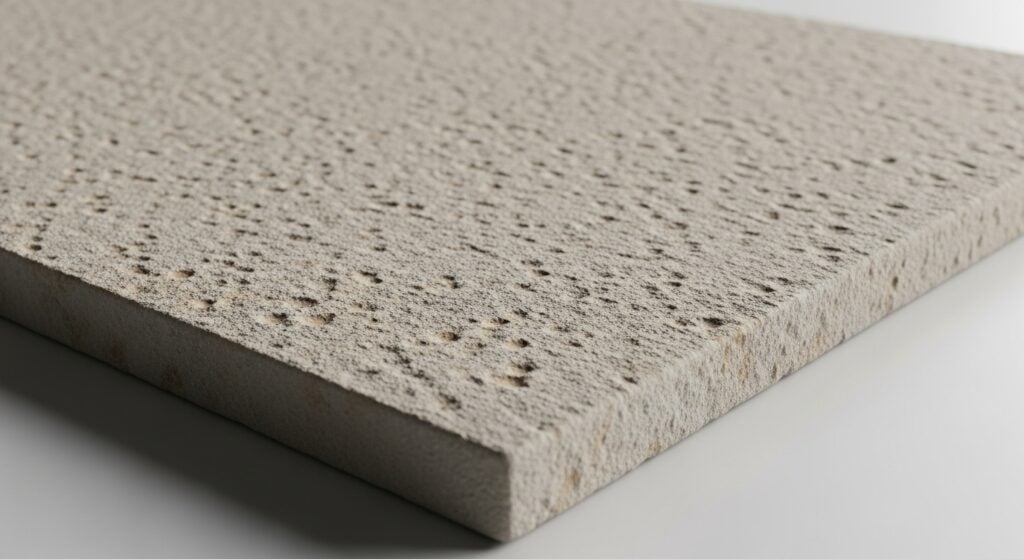
The bush-hammered finish is achieved by hammering the stone surface with a specialised tool, creating a rugged, pitted texture. This finish is often used for slip-resistant surfaces in outdoor areas.
While bush-hammered stone is highly durable, it can be challenging to clean due to its uneven surface. Regular maintenance is necessary to prevent dirt accumulation.
7. Leathered Finish
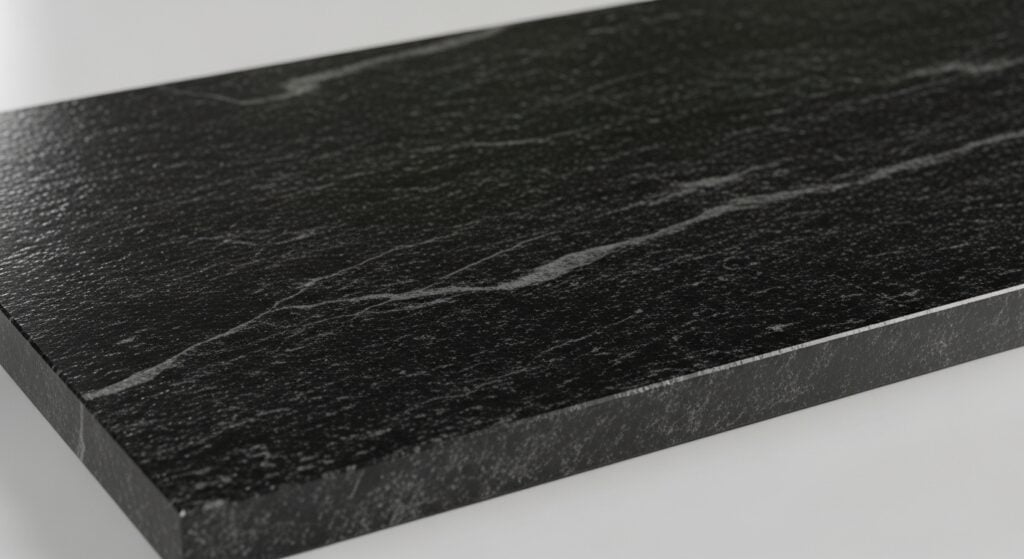
A leathered finish is created by brushing the stone surface with diamond-tipped brushes, resulting in a soft, textured appearance. This finish enhances the stone’s natural patterns and provides a unique tactile experience.
Leathered stone is less reflective than polished stone and offers a slip-resistant surface, making it suitable for countertops and flooring. It requires regular cleaning to maintain its texture.
8. Tumbled Finish
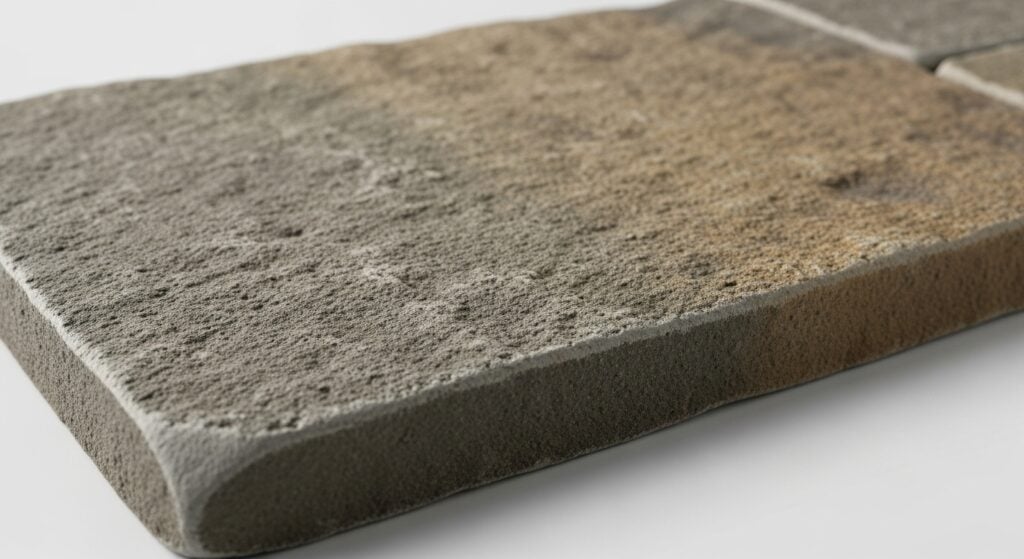
Tumbling involves placing the stone in a drum with abrasives, resulting in a weathered, antique appearance. This finish is often used for decorative purposes, such as wall cladding and garden paths.
Tumbled stone is slip-resistant and adds a rustic charm to any space, much like other traditional types of cladding materials used in heritage-inspired designs. It requires minimal maintenance and is resistant to weathering.
9. Split Face Finish

A split face finish is achieved by splitting the stone along its natural grain, creating a rough, textured surface. This finish is commonly used for wall cladding and adds depth and character to any design.
Split face stone is highly durable and requires minimal maintenance. It is suitable for both interior and exterior applications.
10. Sawn Finish

A sawn finish is created by cutting the stone with a diamond saw, resulting in a smooth, flat surface. This finish is often used for paving and flooring due to its uniform appearance.
Sawn stone is slip-resistant and easy to maintain, making it suitable for high-traffic areas. It can be used both indoors and outdoors.
Applications of Natural Stone Finishes
Natural stone finishes offer versatility in both interior and exterior applications. Each finish provides unique characteristics that enhance the aesthetic and functional aspects of a space.
Interior applications of natural stone finishes include countertops, flooring, and wall cladding. The choice of finish can significantly impact the overall design and feel of a room.
Exterior applications include facades, paving, and landscaping. The durability and weather resistance of certain finishes make them ideal for outdoor use.
When selecting a finish for a specific application, it is essential to consider factors such as slip resistance, maintenance requirements, and aesthetic appeal.
Interior Applications
Natural stone finishes are commonly used in interior spaces to create elegant and durable surfaces. Polished and honed finishes are popular choices for countertops and flooring due to their smooth, refined appearance.
Brushed and leathered finishes add texture and depth to interior designs, and are often specified as premium interior cladding materials for feature walls and surfaces. These finishes provide a unique tactile experience and enhance the natural beauty of the stone.
Exterior Applications
Exterior applications of natural stone finishes include facades, paving, and landscaping. Flamed and sandblasted finishes are ideal for outdoor use due to their slip-resistant properties and durability.
Split face and bush-hammered finishes add character and depth to exterior designs, often complementing more robust exterior building cladding systems used in commercial or public applications. These finishes are resistant to weathering and require minimal maintenance.
Factors to Consider When Choosing a Finish

When selecting a natural stone finish, several factors should be considered to ensure the best outcome for your project. These factors include durability, maintenance, aesthetic appeal, and environmental conditions.
Durability and maintenance are crucial considerations, especially for high-traffic areas. Some finishes may require more frequent cleaning and sealing to maintain their appearance and longevity.
Aesthetic appeal is another important factor, as the finish can significantly impact the overall design and feel of a space. Consider the desired look and how the finish complements other design elements.
Environmental conditions, such as exposure to moisture and weathering, should also be considered when choosing a finish. Some finishes are better suited for outdoor use, while others are ideal for indoor applications, especially when selecting sustainable building materials that balance aesthetics with performance.
Durability and Maintenance
Durability is a key consideration when choosing a natural stone finish, especially for high-traffic areas. Some finishes, such as honed and flamed, are more resistant to wear and tear, making them suitable for busy environments where fire-resistant cladding panels are also a key requirement.
Maintenance requirements vary depending on the finish. Polished finishes may require regular sealing to maintain their glossy appearance, while brushed and leathered finishes may need more frequent cleaning to prevent dirt accumulation.
Aesthetic Appeal
The aesthetic appeal of a natural stone finish can significantly impact the overall design of a space. Polished finishes offer a sleek, modern look, while tumbled and brushed finishes provide a more rustic, textured appearance.
Consider how the finish complements other design elements, such as colour schemes and textures, to achieve a cohesive and visually appealing result.
Environmental Conditions
Environmental conditions, such as exposure to moisture and weathering, should be considered when selecting a natural stone finish. Flamed and sandblasted finishes are ideal for outdoor use due to their slip-resistant properties and durability.
For indoor applications, consider finishes that are resistant to moisture and easy to maintain, such as honed and polished finishes.
How to Maintain Natural Stone Finishes
Proper maintenance is essential to preserve the beauty and longevity of natural stone finishes. Regular cleaning and protective measures can help prevent damage and maintain the stone’s appearance.
Cleaning techniques vary depending on the finish and the type of stone. It is important to use appropriate cleaning products and methods to avoid damaging the surface.
Protective measures, such as sealing and applying protective coatings, can help prevent stains and scratches. Regular maintenance can extend the life of the stone and keep it looking its best.
Cleaning Techniques
Cleaning techniques for natural stone finishes vary depending on the type of stone and finish. It is important to use non-abrasive cleaning products and methods to avoid damaging the surface.
Regular cleaning with a soft cloth and mild detergent can help maintain the stone’s appearance. Avoid using harsh chemicals or abrasive materials that can scratch or damage the surface.
Protective Measures
Protective measures, such as sealing and applying protective coatings, can help prevent stains and scratches on natural stone finishes. Regular sealing can enhance the stone’s durability and maintain its appearance.
Consider applying protective coatings to high-traffic areas to prevent wear and tear. Regular maintenance can extend the life of the stone and keep it looking its best.
Common Mistakes to Avoid
When working with natural stone finishes, it is important to avoid common mistakes that can compromise the stone’s appearance and durability. Incorrect finish selection and improper maintenance practices are common pitfalls.
Choosing the wrong finish for a specific application can result in a less-than-ideal outcome. Consider factors such as durability, maintenance, and aesthetic appeal when selecting a finish.
Improper maintenance practices, such as using harsh chemicals or abrasive materials, can damage the stone’s surface. Regular cleaning and protective measures can help maintain the stone’s appearance and longevity.
Incorrect Finish Selection
Incorrect finish selection can result in a less-than-ideal outcome for your project. Consider factors such as durability, maintenance, and aesthetic appeal when selecting a finish.
Choosing a finish that is not suitable for the intended application can compromise the stone’s appearance and functionality. Consider the specific requirements of your project when selecting a finish.
Improper Maintenance Practices
Improper maintenance practices can damage the stone’s surface and compromise its appearance and durability. Avoid using harsh chemicals or abrasive materials that can scratch or damage the surface.
Regular cleaning and protective measures can help maintain the stone’s appearance and longevity. Consider using appropriate cleaning products and methods to avoid damaging the surface.
Frequently Asked Questions
What is the most durable natural stone finish?
The most durable natural stone finishes are typically honed and flamed finishes. These finishes are resistant to wear and tear, making them suitable for high-traffic areas.
How do I choose the right finish for my project?
Choosing the right finish for your project involves considering factors such as durability, maintenance, aesthetic appeal, and environmental conditions. Consider the specific requirements of your project when selecting a finish.
Can natural stone finishes be changed after installation?
Changing a natural stone finish after installation can be challenging and may require professional assistance. It is important to choose the right finish before installation to avoid complications.
Can natural stone be polished?
Yes, natural stone can be polished to achieve a smooth, glossy finish. Polishing enhances the stone’s natural colours and patterns, making it a popular choice for countertops and floors.
Do natural stones fade?
Natural stones can fade over time due to exposure to sunlight and weathering. Regular maintenance and protective measures can help preserve the stone’s appearance and prevent fading.