Limestone remains a first-choice facade material for the United Kingdom, Europe and Global commercial, cultural and premium residential projects. Nothing matches the prestige or the heritage associations of natural stone. Whether it is the iconic Portland facades on the banks of the Thames, honey coloured Bath Stone across the Georgian Southwest, or Lincolnshire Stone across cathedral cities and civic buildings, the material sits comfortably in conservation-sensitive contexts where alternatives struggle to gain planning approval.
Specifying limestone facade cladding in 2026 is not what it was in 1990. The decision is no longer whether to use limestone, its which rainscreen panel system to specify. That system choice drives structural load, fire classification, installation programmes and capital cost, often more than the stone selection itself. This article covers the limestones specified on UK facades, how panel systems compare on cost and performance, the disadvantages specifiers need to plan around, and the lightweight limestone cladding panels now available from UK suppliers that deliver the traditional aesthetic at a lower structural and capital cost.
Table of Contents
Can limestone be used for exterior facade cladding?
Yes — limestone is widely specified for exterior facade cladding across the UK on infrastructure projects like rail and underground stations, commercial, institutional, cultural and premium residential projects, commonly specified as a cladding-grade stone on an engineered panel system appropriate to the building’s height and exposure.
Four conditions determine whether a given limestone is suitable for a modern façade specification:
- Geological suitability. The stone must meet frost resistance requirements to BS EN 12371 for UK exposure, with flexural strength and density appropriate to the panel size and chosen system.
- System compatibility. Traditional mechanical-fix solid stone and modern ventilated rainscreen panels are the two principal routes. Panel-based natural stone rainscreen cladding dominates new specification today because of its weight, cost and installation advantages over traditional fix.
- Regulatory compliance. Approved Document B applies to any external wall construction on buildings over 11m and requires full-system fire rated EN 13501-1 A1 or A2 s1, do performance classification — not only the stone data.
- Bomb Blast Tested Systems. The specification of bomb-blast tested materials is driven by the statutory requirements of Martyn’s Law and the oversight of the Building Safety Regulator, moving protective security from a voluntary choice to a legal necessity for “Enhanced Tier” venues. This shift mandates blast-resistant glazing and cladding systems for high-capacity public spaces, rail and underground stations, critical infrastructure, and government buildings to mitigate the risks of fragmentation causing further injury and structural failure. Consequently, modern projects—ranging from stadiums and transport hubs to schools and places of worship—are increasingly integrating high-security facade systems that balance aesthetic heritage with rigorous protection against terror-related threats.
Limestone is naturally non-combustible, but that alone is not sufficient for compliance on mid- and high-rise buildings. The facade is classified as a system, including the panel, subframe, insulation, cavity barriers and fixings. Specifiers should require full-system fire test evidence at the tender stage or ensure all components are certified non-combustible A1 or A2 s1, d0 to EN13501-1.
Types of limestone used on UK facades
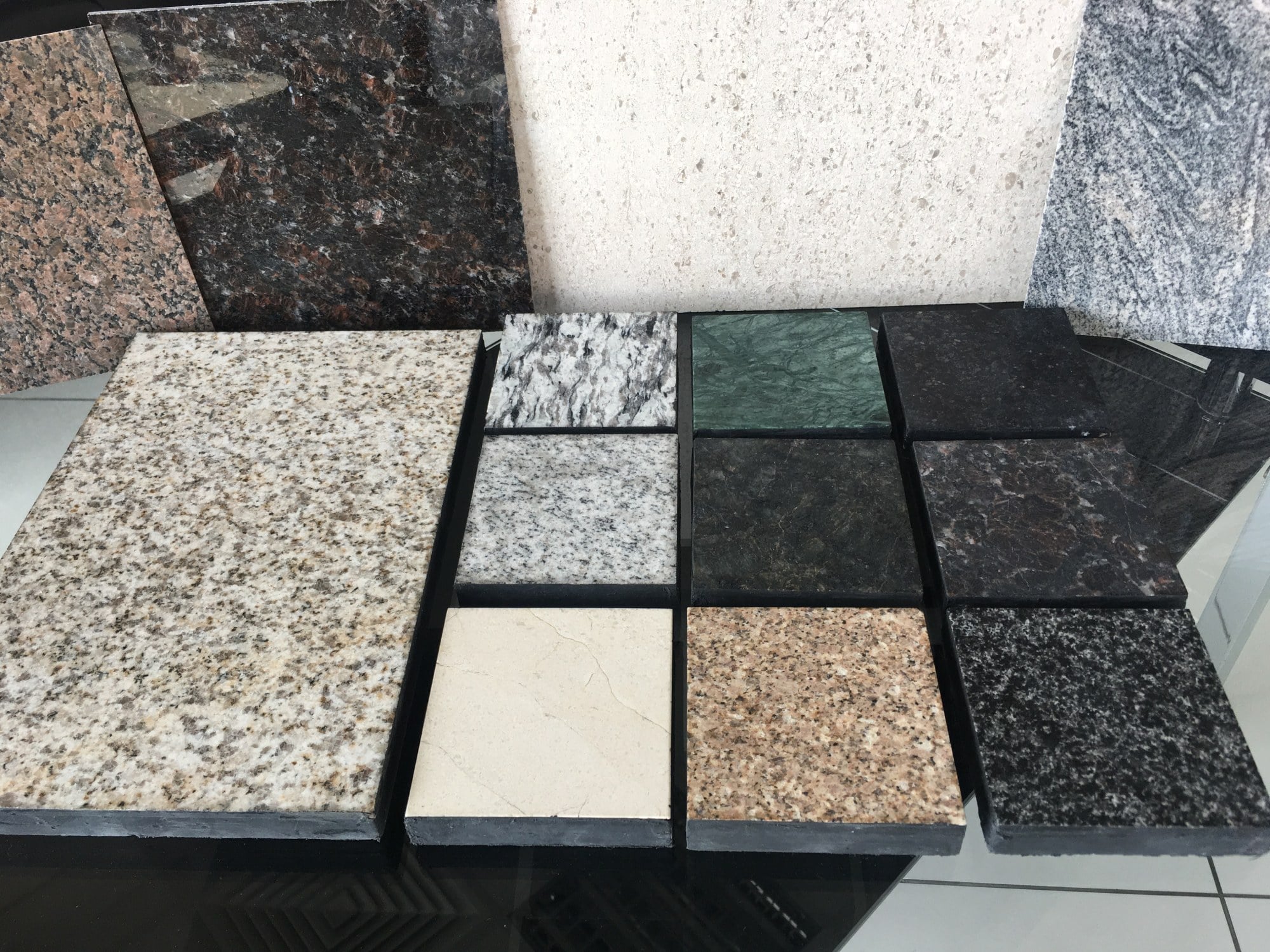
Four limestone families represent the vast majority of UK façade specifications. While each offers the durability required for a multi decade design life, selection is primarily driven by three external factors: the surrounding aesthetic context, planning approval sensitivity, and material availability from the quarry.
Portland stone
Jurassic oolitic limestone quarried on the Isle of Portland in Dorset. The defining facade stone of central London, specified on St Paul’s Cathedral, the Bank of England and a significant portion of the capital’s civic and commercial stock. Creamy-white weathering, high density, low porosity and a proven track record on Grade I and II listed contexts.
Bath stone
Warm honey-coloured limestone from the Somerset quarries around Bath and Corsham. Softer and more porous than Portland, widely specified in conservation areas across the South West and the Cotswolds where planning policy requires material continuity with the Georgian context.
Lincolnshire limestone (Ancaster, Clipsham, Ketton)
Dense, frost-durable limestones from the Jurassic belt running through Lincolnshire and Rutland. Specified extensively on institutional, cathedral and civic projects across the Midlands and East of England, with Clipsham and Ketton particularly valued for their consistent colour and weathering performance.
Imported limestones
Jura (Germany), Moleanos, Moca Crème (Portugal) and Massangis (France) are the imported limestones most commonly specified on UK projects.
How much does a limestone facade cost?
Limestone facade cladding in the UK typically ranges from £220/m² to £850/m² supplied and installed, with the system type driving more of the cost than the stone selection itself. The figures below are indicative ranges for budget planning — not quotations — and assume a standard commercial building envelope without exceptional access or substructure complexity.
- Traditional Portland stone mechanical-fix facade: £450-£850/m²
- Traditional Bath stone mechanical-fix facade: £350-£650/m²
- Ventilated rainscreen limestone panels (solid thin stone): £280-£550/m²
- Engineered lightweight limestone panel systems (real stone veneer on composite backer): £220-£450/m²
What drives limestone facade cost
Six variables move the price within and between these ranges: stone type and provenance (UK-quarried Portland sits at the top, imported Moleanos and Jura in the middle, engineered panels at the bottom), panel thickness, surface finish (honed, sawn, bush-hammered or flamed), system type, building height and exposure, and site logistics including access and scaffolding. A wastage allowance of 8-12% should be built into the tender for traditional stone systems.
Capital cost versus lifecycle cost
The limestone cladding prices indicated above are capital cost only. Over a 25-60 year design life, maintenance cycles — inspection, cleaning, repointing on traditional mortar joints — add meaningfully to the total cost of ownership on solid stone facades. Ventilated rainscreen panel systems eliminate wet pointing, reduce cleaning frequency and shift the lifecycle cost curve lower, which often matters more to a developer and public sector clients over the headline tender figure.
Why selecting a panel system changes the cost equation more than just a stone selection
A specifier choosing between Portland and Bath stone on a traditional fix might move the facade cost by £100-£200/m². The same specifier choosing between a traditional mechanical-fix system and a lightweight engineered panel system — with the same Portland aesthetic on the face — can move the cost by £300-£400/m² while also reducing structural load by up to 60% and shortening the installation programme substantially. On most projects the system decision deserves more scrutiny than the stone decision.
What are the disadvantages of limestone cladding?
Limestone’s heritage credentials and natural non-combustibility are well understood. The disadvantages are less often discussed at the tender stage and more often discovered during construction or in the first decade of service. Most of these disadvantages apply to traditional solid-stone facades rather than to engineered panel systems — a distinction that matters when the brief is fixed on the limestone aesthetic but the project cannot absorb the performance penalties.
Weight and structural load
Traditional limestone facades add 80-120 kg/m² of dead load to the structure. On new build this is absorbed in the design, but on retrofit and over-structure replacement it often triggers structural upgrades that add significant cost and programme. Engineered lightweight panel systems reduce this load by up to 60%, which frequently determines feasibility on refurbishment projects.
Porosity, soiling and biological growth
Limestone is a porous material. In urban environments, particularly on sheltered elevations that do not benefit from rain washing, soiling, algal growth and staining accumulate within the first 5-10 years. Portland stone’s self-cleaning reputation holds only on exposed, weather-washed faces; north elevations and recessed detailing soil at a rate that surprises clients expecting the material to self-maintain.
Frost and salt sensitivity on lower-grade stones
Not all limestones perform equally in UK exposure. Lower-density stones without adequate frost resistance fail in freeze-thaw cycles, particularly on coastal and high-altitude projects. Specification discipline on frost resistance to BS EN 12371 is essential, and sample testing for projects in severe exposure zones is strongly recommended.
Installation time and weather sensitivity
Traditional mechanical-fix limestone is a wet trade. Mortar pointing, bedding and jointing are weather-dependent, and winter programmes routinely lose days to rain, frost and low temperatures. Prefabricated dry-fixed panel systems are weather-independent at the install stage, which is often the deciding factor on programme-critical commercial projects.
Thermal and moisture movement
Limestone moves under expansion and contraction. Joint width, sealant type and movement provision must be designed correctly, or the facade will crack, stain and admit water within the first few thermal cycles. Specification-stage coordination between the stone supplier, the system designer and the facade contractor is not optional, inadequate movement detailing is one of the most common causes of early-life limestone facade failure.
Specifying limestone facade cladding on a live UK project?

Dynamic Cladding’s technical team supports architects and specifiers from concept through to installation hand-over. Our products and service includes full-system EN 13501-1 classification, structural load assessments, design calculations, detailed drawings and specification data for tender. Book a Specification Consultation.
Lightweight limestone facade panels: the modern UK specification
Where traditional stone can be burdened by weight and weather delays, engineered systems offer a smarter path forward. By addressing the classic disadvantages of ‘wet-trade’ dependency and intensive maintenance, these panels provide the timeless look of limestone with the efficiency of modern facade engineering.
DynaPanel Stone is one such system: a processed real natural limestone veneer bonded to an engineered cementitious backer element, supplied as frameless, factory finished prefabricated panels for a dry and secret fixed, ventilated rainscreen cladding solution.
- Up to 60% lighter than traditional limestone with identical visual and tactile character on the facade face
- A2 s1 d0 Non-Combustible rated to EN 13501-1 to meet fire rated cladding requirements on higher-risk buildings
- CNC-factory engineered panel precision for tight joint tolerances and clean architectural lines across large facade areas
- Prefabricated and dry-fixed — faster installation, reduced on-site labour, weather-independent programme
- Compatible with Portland, Bath, Jura, Moleanos, Moca Crème or any other bespoke limestone selections — the specifier chooses the stone, the system delivers lower weight and cost
- Reduced structural load and transport emissions contribute to project sustainability credentials and align with sustainable cladding materials criteria on public sector and ESG-led developments
- Supplied across the UK, Europe and Globally with technical support available on every project.
The specification case for DynaPanel engineered limestone panels is strongest on retrofit, programme-critical new builds or any projects where lightweight, fire or blast performance is required.
Specifying limestone cladding in the UK:
A sound limestone facade specification covers eight points. The list below focuses on the limestone-specific and UK-specific items. Generic rainscreen specifications is covered in the natural stone rainscreen cladding guide.
- Specify frost resistance stones to BS EN 12371 appropriate to the UK exposure zone
- Confirm flexural strength and density for the selected panel, size and system loading
- Require full-system fire classification to EN 13501-1, not stone-only test data
- Specify surface finish (honed, polished, sawn, bush-hammered, flamed) and request a sample panel for approval before the project production
- Agree panel size, joint width and movement tolerance with the system supplier at the design stage
- Request mock-up panel approval on site before production release on significant facades
- Confirm the delivery timeframe requirement, material logistics and site access against the construction programme
Frequently asked questions
Where can I source limestone facade cladding in the UK?
Dynamic Cladding supplies engineered limestone facade panels across the UK. Traditional solid-stone limestone is available from the UK quarries directly (Portland, Bath, Lincolnshire) or through specialist stone contractors.
Is limestone cladding suitable for the UK climate?
Yes, provided frost resistance is specified to BS EN 12371 and the system is designed for the building’s exposure category. Limestone has been used on UK facades for centuries — the material is proven. Specification discipline on frost grade and joint detailing is what separates successful installations from early-life failures.
What cladding should specifiers avoid on UK buildings over 11m?
Non-compliant ACM and HPL systems, any facade system without full EN 13501-1 classification non-combustible A1 or A2 s1, d0, and composite products without CWCT or test evidence. Approved Document B compliance is a system-level requirement — component-level, fire data on the stone or panel alone is not sufficient.
Looking for a limestone facade specification or more information?
Download the full DynaPanel Stone technical datasheet, NBS or CSI Specification. EN S13501-1 fire performance reports, system data, installation documents and third-party assessments are also available here. Request Technical Data.