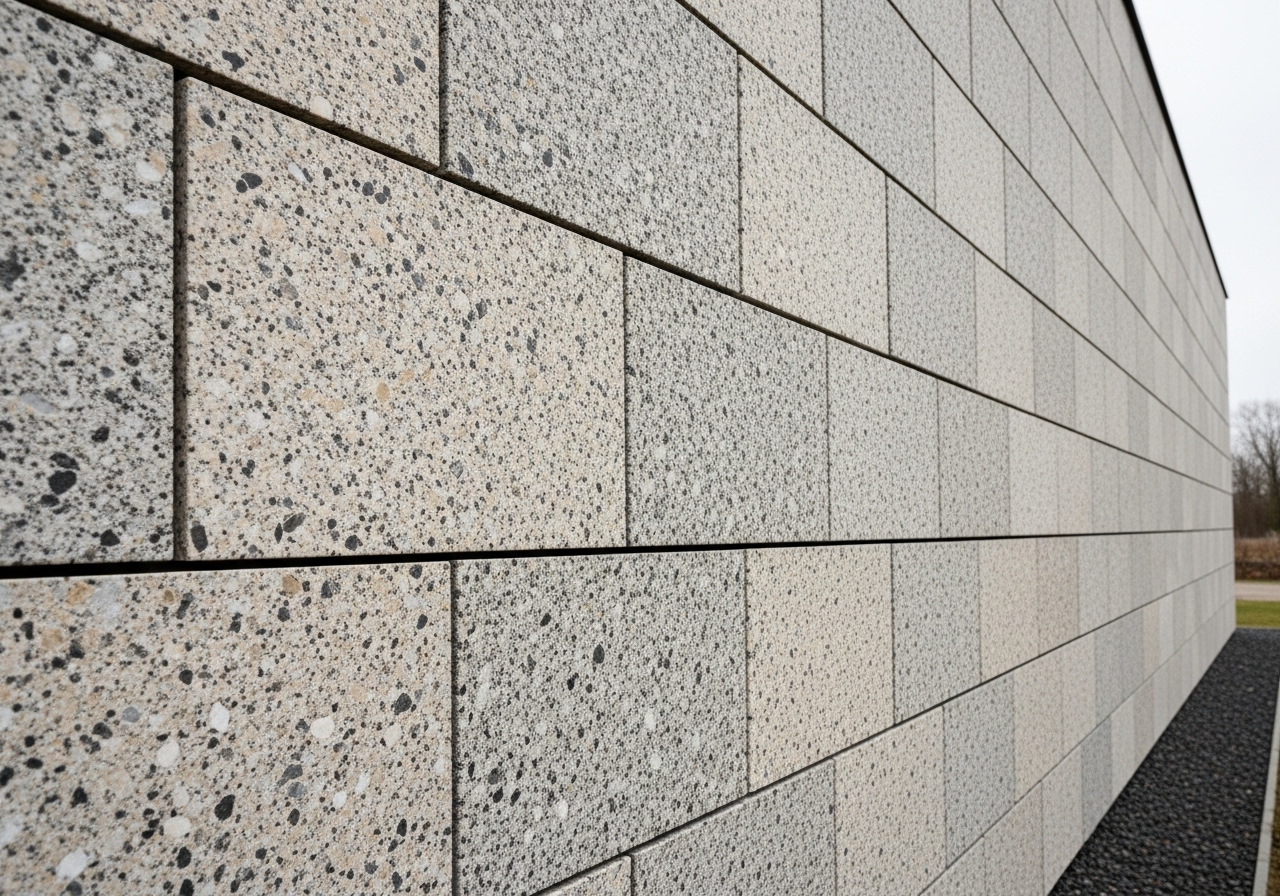
Composite cladding panels are engineered multi-layer systems used to enhance the visual appeal and weather performance of building façades. Their combination of material efficiency, durability, and customisable finishes makes them especially relevant for contemporary architectural applications.
In this guide, we will explore the intricacies of composite cladding panels, from their materials to their advantages and disadvantages.
Table of Contents
What Are Composite Cladding Panels?
Definition of Composite Cladding Panels
Composite cladding panels are layered building materials used to improve a building’s look and performance. They’re designed to resist weather, reduce maintenance, and offer a clean, modern finish.
These panels mimic natural materials like wood or stone but last longer and require less upkeep. They’re lightweight and simple to install, making them ideal for new builds or upgrades.
Each panel has a core—often made from aluminium, polyethylene, or mineral compounds—sandwiched between protective outer layers, usually metal. This makes them strong but not heavy.
Available in a range of colours and textures, composite panels help architects and builders achieve the look they want without compromising on durability or ease of use.
Materials Commonly Used in Composite Cladding
Common materials used in composite cladding include aluminium, which is lightweight and corrosion-resistant, and high-pressure laminates, known for their durability and resistance to impact. Other materials such as fibre cement and wood-plastic composites are also popular choices.
Material selection depends on specific performance targets—such as fire safety, durability, or cost-efficiency—and the aesthetic intent of the project. For instance, fibre cement is ideal for fire resistance in mid-rise residential blocks, while aluminium-based panels are preferred for high-rise urban towers due to their lightweight and corrosion-resistant properties.
Types of Composite Cladding Systems Available
There are several types of composite cladding systems available, each designed to meet specific architectural and performance requirements. These include ventilated rainscreen systems, which allow for air circulation behind the panels, and insulated systems that provide additional thermal performance.
Other systems include interlocking panels, which offer a seamless appearance, and modular systems that allow for easy installation and replacement of individual panels.
How Do Composite Cladding Panels Work?
Composite cladding panels work by providing a protective outer layer to a building, shielding it from environmental factors such as rain, wind, and UV radiation. They also contribute to the building’s thermal insulation and can improve energy efficiency.
The panels are typically installed on a subframe, which is attached to the building’s structure. This allows for a gap between the cladding and the building, promoting ventilation and preventing moisture build-up.
Basic Principles and Technical Functionality
The basic principle of composite cladding is to combine multiple materials to achieve a balance of strength, durability, and aesthetic appeal. The technical functionality involves the use of a subframe system that supports the panels and allows for thermal expansion and contraction.
This system also facilitates the drainage of water and prevents the ingress of moisture, which can lead to structural damage over time.
Installation Process and Considerations
The installation process for composite cladding panels involves several steps, including the preparation of the building surface, installation of the subframe, and attachment of the panels. Proper alignment and spacing are crucial to ensure the panels perform as intended.
Considerations during installation include the building’s location, exposure to weather conditions, and compliance with local building regulations. It’s important to follow manufacturer’s guidelines to achieve the best results.
Components of a Composite Cladding Panel System
A composite cladding panel system typically includes the panels themselves, a subframe or support structure, and fixings or fasteners. Additional components may include insulation materials and weatherproofing membranes.
Each component plays a vital role in the overall performance of the cladding system, contributing to its durability, weather resistance, and aesthetic appeal.
Advantages of Composite Cladding Panels
Composite cladding panels provide a balanced combination of design flexibility, structural efficiency, and environmental performance—factors that are increasingly important in today’s construction and regulatory landscape.
One of the key benefits is their aesthetic versatility, allowing for a wide range of design possibilities.
These panels are also known for their durability and resistance to weather conditions, ensuring a long lifespan with minimal maintenance. Their lightweight design makes them easier to handle and install compared to traditional materials.
Aesthetics: Achieving Stunning Visual Appeal
Composite cladding panels are available in a variety of finishes and colours, enabling architects and designers to achieve stunning visual effects. They can mimic the appearance of natural materials like wood or stone, providing a high-end look without the associated maintenance.
The panels can also be customised with digital printing or other decorative techniques, offering endless design possibilities for creative projects.
Durability and Resistance to Weather Conditions
One of the main advantages of composite cladding panels is their durability. They are designed to withstand harsh weather conditions, including rain, wind, and UV exposure, without deteriorating over time.
This makes them an ideal choice for buildings in challenging environments, where traditional materials may not perform as well.
Low Maintenance and Easy Upkeep
Composite cladding panels require minimal maintenance, making them a cost-effective option for building owners. They do not need regular painting or sealing, and their surfaces are easy to clean.
This low-maintenance characteristic is particularly beneficial for large commercial buildings, where upkeep can be time-consuming and costly.
Environmental Benefits and Sustainability Considerations
Many composite cladding panels incorporate recycled materials, such as reclaimed aluminium or low-impact polymer resins. Additionally, their thermal performance can improve building envelope efficiency, supporting certifications like BREEAM and LEED.
Their extended service life reduces the frequency of replacement, helping to lower long-term material consumption and environmental impact.
Lightweight Design Compared to Traditional Materials
The lightweight design of composite cladding panels makes them easier to transport and install, reducing labour costs and installation time. This is particularly advantageous for high-rise buildings, where weight is a critical consideration.
Despite their lightweight nature, these panels offer excellent strength and durability, making them a reliable choice for various applications.
Disadvantages of Composite Cladding Panels
While composite cladding panels offer many benefits, there are also some disadvantages to consider. One potential drawback is the possibility of slight colour changes over time due to UV exposure.
Additionally, the initial investment cost for composite cladding panels can be higher compared to traditional materials, although this is often offset by their long-term benefits.
Potential for Slight Colour Changes Over Time
Composite cladding panels may experience slight colour changes over time, particularly when exposed to direct sunlight. This is a common issue with many exterior materials and can be mitigated by selecting high-quality panels with UV-resistant coatings.
Regular cleaning and maintenance can also help preserve the panels’ appearance and minimise colour changes.
Higher Initial Investment Cost Compared to Traditional Options
The initial cost of composite cladding panels can be higher than traditional materials such as wood or vinyl. However, this cost is often justified by the panels’ durability, low maintenance requirements, and aesthetic appeal.
When considering the long-term benefits, composite cladding panels can be a cost-effective choice for many projects.
Sensitivity to Extreme Temperatures and Installation Requirements
Composite cladding panels can be sensitive to extreme temperatures, which may affect their performance. Proper installation and adherence to manufacturer guidelines are essential to ensure the panels function correctly.
In regions with extreme weather conditions, additional measures may be needed to protect the panels and maintain their integrity.
Limitations in Structural Applications
While composite cladding panels are suitable for many applications, they may not be ideal for structural purposes. Their lightweight nature means they are not designed to bear heavy loads or provide structural support.
For projects requiring structural cladding, alternative materials or systems may be more appropriate.
Safety and Fire Performance of Composite Cladding Panels
Safety and fire performance are critical considerations when selecting cladding materials. Composite cladding panels are designed to meet stringent fire safety standards, providing peace of mind for building owners and occupants.
Understanding the fire rating classifications and the importance of non-combustibility is essential for making informed decisions about cladding solutions.
Fire Rating Classifications Explained (EN13501-1)
Fire rating classifications, such as those outlined in EN13501-1, provide a standardised way to assess the fire performance of cladding materials. These classifications consider factors such as combustibility, smoke production, and flaming droplets.
Composite cladding panels are available in various fire ratings, allowing architects and builders to select the appropriate level of fire safety for their projects.
Importance of Non-Combustibility in Cladding Solutions
Non-combustibility is a crucial factor in cladding solutions, particularly for high-rise buildings and public spaces. Composite cladding panels are often designed to be non-combustible, reducing the risk of fire spread and enhancing overall building safety.
Choosing non-combustible materials is an important step in ensuring compliance with building regulations and protecting occupants.
How Composite Cladding Fits Into UK Building Regulations
Composite cladding panels must comply with UK building regulations, which set standards for fire safety, structural integrity, and energy efficiency. These regulations ensure that cladding materials are safe and suitable for use in various building types.
Understanding how composite cladding fits into these regulations is essential for architects and builders to ensure compliance and avoid potential issues.
Evaluating Fire Performance: Certification and Testing Methods
Evaluating the fire performance of composite cladding panels involves rigorous testing and certification processes. These tests assess the panels’ ability to withstand fire exposure and prevent the spread of flames.
Certification provides assurance that the panels meet the required safety standards and are suitable for use in specific applications.
Frequently Asked Questions about Composite Cladding Panels
What are the disadvantages of composite panels?
Composite panels can have disadvantages such as potential colour changes over time and higher initial costs compared to traditional materials. They may also be sensitive to extreme temperatures and have limitations in structural applications.
Is composite cladding cheaper than wood?
While the initial cost of composite cladding may be higher than wood, it often proves more cost-effective in the long run due to its durability, low maintenance requirements, and resistance to weather conditions.
What is the difference between composite and PVC cladding?
Composite cladding is made from a combination of materials, offering enhanced durability and aesthetic options, while PVC cladding is made from polyvinyl chloride, known for its affordability and ease of installation.
How long does composite cladding last?
Composite cladding panels are designed to last for several decades, with many manufacturers offering warranties of 25 years or more. Their longevity depends on factors such as installation quality and environmental conditions.
Is composite cladding waterproof?
Composite cladding panels are designed to be water-resistant, providing protection against rain and moisture. Proper installation and sealing are essential to ensure their waterproof performance.
Does composite cladding fade in the sun?
Composite cladding panels may experience some fading over time due to UV exposure. However, high-quality panels with UV-resistant coatings are designed to minimise this effect and maintain their appearance.
Does composite cladding need ventilation?
Ventilation is important for composite cladding systems to prevent moisture build-up and promote air circulation. A ventilated rainscreen system is often used to achieve this, enhancing the panels’ performance and longevity.
How much is composite cladding per m²?
The cost of composite cladding varies depending on the materials, finishes, and installation requirements. On average, prices can range from £50 to £150 per square metre, but it’s important to obtain quotes from suppliers for accurate pricing. Installation method, panel size, and fire-rating specification can also impact final pricing.
How thick is composite panel cladding?
Composite panel cladding thickness can vary, but it typically ranges from 3mm to 6mm. The thickness depends on the specific materials used and the desired performance characteristics.
Do I need a membrane under composite cladding?
A weatherproof membrane is often recommended under composite cladding to provide additional protection against moisture ingress. This membrane acts as a secondary barrier, enhancing the system’s overall performance.
Choosing the Right Composite Cladding Panel for Your Project
Choosing the right composite cladding panel involves considering several factors, including the project’s requirements, budget, and desired appearance. It’s important to match the cladding to the architectural style and ensure compliance with relevant standards.
Budget considerations and cost analysis are crucial when selecting composite cladding panels. While the initial investment may be higher, the long-term benefits often justify the cost.
Identifying Your Project Requirements
Identifying the specific requirements of your project is the first step in selecting the right composite cladding panel. Consider factors such as the building’s location, exposure to weather conditions, and desired aesthetic.
Understanding these requirements will help you choose a cladding solution that meets your needs and enhances the building’s overall performance.
Budget Considerations and Cost Analysis
Budget considerations are an important part of the decision-making process when selecting composite cladding panels. Conducting a cost analysis will help you understand the long-term benefits and potential savings associated with these panels.
While the initial cost may be higher, the durability and low maintenance requirements of composite cladding can result in significant savings over time.
Matching Appearance to Architectural Styles
Composite panels come in wood-effect, metallic, matte, and digitally printed finishes. For minimalist designs, smooth aluminium composite panels offer a sharp, uniform appearance, while wood-look polymer composites provide warmth suited to residential developments.
Selection should also align with fire ratings (e.g., A2-s1,d0 for high-rise use) and local building codes for safety and energy performance.
Selecting Certifications and Standards Compliance
Ensuring that your chosen composite cladding panels comply with relevant certifications and standards is essential for safety and performance. Look for panels that meet fire safety standards and other regulatory requirements.
Certification provides assurance that the panels are suitable for your project and will perform as expected.